
In October 2022 the Office for Health Improvement and Disparities published survey work carried out by Censuswide on just over 4,000 adults in England. Sixty-seven per cent said they regularly get the Sunday scaries, and among 18 to 24 year olds it was 74 per cent. The same campaign noted that searches for sadness peak on Sundays around five in the afternoon. That is the real reason Sunday has quietly become the day people protect. It is not the calmest day of the week. It is the one that needs the most defending.
In Short
- 67 per cent of adults in England report regular Sunday anxiety, rising to 74 per cent of 18 to 24 year olds
- The dip is time specific, clustering in the late afternoon and evening, so plan the day around that
- A long Sunday lie-in widens social jetlag, the mismatch between your body clock and your working week
- Boundaries beat rituals. One protected block you actually keep is worth more than an elaborate routine you abandon by March
What the survey data actually says about Sundays
The headline figure is worth stating precisely, because it gets rounded up and mangled online. The research behind the Every Mind Matters campaign, published on 9 October 2022, surveyed 4,013 people aged 18 to 50 in England and found 67 per cent regularly experienced anxiety on a Sunday about the week ahead. Younger adults reported it more, not less.
Two caveats. This is self-reported feeling rather than clinical anxiety, and it is an England-wide snapshot from one survey rather than a trend line. What it establishes reliably is that this is common, which matters if you have been treating your own Sunday slump as a personal failing.
Why the weekend swapped over
Saturday used to be the day off and Sunday the dull one. That has inverted for most people I know, and the reason is fairly mechanical. Saturday now absorbs everything that could not happen midweek: the shop, the appointment, the friend’s birthday, the two hours of catching up you promised yourself you would not do. It is a productive day wearing a weekend costume.
Sunday is what is left. It arrives with fewer external demands and one large internal one, which is tomorrow. That combination is exactly why it makes a better candidate for deliberate recovery, and exactly why it fails when you leave it unplanned.
The shape of a Sunday that holds up
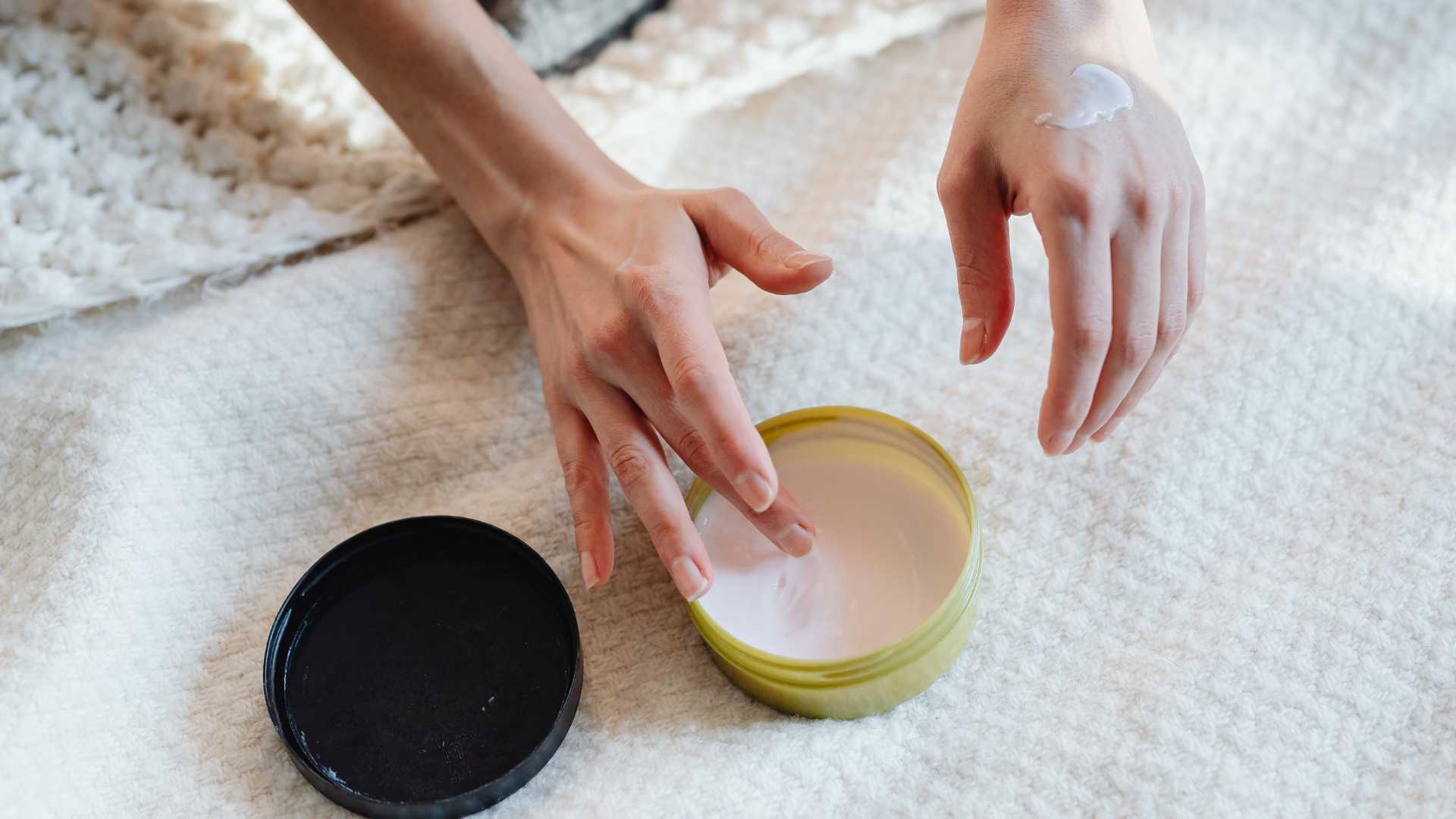
Mine took about a year of trial and error to settle into something I actually keep. The principle is that the day gets looser as it goes and then firms up again before the dread window.
- Get up within about an hour of your weekday time. This is the one that people hate and the one that changes the most. Researchers use the term social jetlag, coined by Wittmann, Roenneberg and colleagues in 2006, for the gap between your body clock and your social clock. A four-hour weekend lie-in widens that gap, and Sunday night is when you pay for it.
- Do the slow thing first. Whatever your version is, a long breakfast, a bath, a proper skincare session, put it in the morning while the day still feels open.
- Get outside before lunch. Even in Liverpool in February. Daylight in the first half of the day is the cheapest sleep intervention available.
- Take one admin hour, on purpose, early. Not because admin is restful, but because unfinished admin is what fuels the five o’clock spike.
- Eat properly and unhurriedly. Sunday is the one day most of us can actually pay attention to a meal, which is the entire premise of eating mindfully rather than mechanically.
- Close the week at around four. Fifteen minutes with a notebook. What happened, what is coming, what is the first thing on Monday. Then stop.
- Protect the evening. Phone away from the sofa, nothing that requires a decision, and a bedtime close to your weekday one.
Matching the fix to the trigger
Generic self-care advice fails because Sunday dread has different sources for different people. It is worth working out which one is yours.
| What is actually bothering you | What tends to help |
|---|---|
| An unopened inbox or an unfinished task | Fifteen honest minutes early in the day, then a hard stop. Avoidance costs more than the task |
| Feeling the weekend was wasted | One thing planned in advance that you would count as living, however small |
| Genuine exhaustion | Sleep at the right time rather than more of it. Adults generally need 7 to 9 hours, consistently timed |
| Dreading a specific person or meeting | Name it out loud to someone. Vague dread expands, named dread usually shrinks |
Boundaries, without the poster quote

There is a whole genre of writing about reinvention and choosing yourself, and James Altucher, whose book Choose Yourself came out in 2013, is one of the names attached to it. I find that material more useful as permission than as instruction. The permission is the point: you are allowed to decline things.
In practice, boundaries on a Sunday means deciding in advance what you will not do, and being able to say it in one sentence. Mine is that I do not confirm work for the following week after six on a Sunday. It sounds trivial. It removed the single most reliable trigger of a bad Sunday night that I had.
What does not work, and I have tried all of these: an elaborate multi-step routine you copy from someone whose life looks nothing like yours, a Sunday spent entirely alone when what you were short of was company, and treating rest as a reward you have to earn by first completing everything. That last one guarantees you never rest, because the list never ends.
If the dread is bigger than a Sunday
One honest note before you go and restructure your weekend. A Sunday routine helps with the ordinary version of this. If the feeling shows up on other days, persists through the week, or is heavy enough to affect how you eat, sleep or function, that is not a scheduling problem and no bath will touch it. Speak to your GP. There is no threshold of seriousness you need to reach first.
For everyone else, the reframe that helped me most was giving up on the idea of a restful Sunday altogether and aiming instead for a well-shaped one. Loose in the morning, honest in the afternoon, closed by evening. Saturday can keep the errands. Sunday is the one worth defending.
This article is general information and not medical advice. If low mood or anxiety is affecting your daily life, please speak to your GP.
Sources: Office for Health Improvement and Disparities, Every Mind Matters campaign research conducted by Censuswide, 4,013 respondents aged 18 to 50 in England, published 9 October 2022; Wittmann M, Dinich J, Merrow M, Roenneberg T, Social jetlag: misalignment of biological and social time, Chronobiology International, 2006; NHS guidance on adult sleep duration.
What does your Sunday actually look like?
I want the real version, not the aspirational one. Tell me in the comments what you protect and what you have given up trying to protect.
Read next: three women on what a digital detox really changed