
Beauty fasting arrived with an appealing story attached: that our skin has become dependent on the twelve products we pile on it, and that taking everything away lets it reset. Half of that story stands up. The half doing the heavy lifting in the marketing does not.
In Short
- The term was popularised by the Japanese brand Mirai Clinical, and the practice comes out of Japan
- Evidence for the reset claim is thin; dermatologists point out cleanser and moisturiser do not damage the skin barrier
- Where it genuinely helps is as an elimination test for a product that has been irritating you
- Never fast from SPF, and never stop a prescribed treatment to try it
What beauty fasting actually is, and where it came from
Beauty fasting, or skin fasting, is a deliberate pause: you remove most or all of your skincare for a fixed period and observe what your skin does without it. The idea travelled here from Japan, where it has circulated for years, and the English term was popularised by the Japanese brand Mirai Clinical.
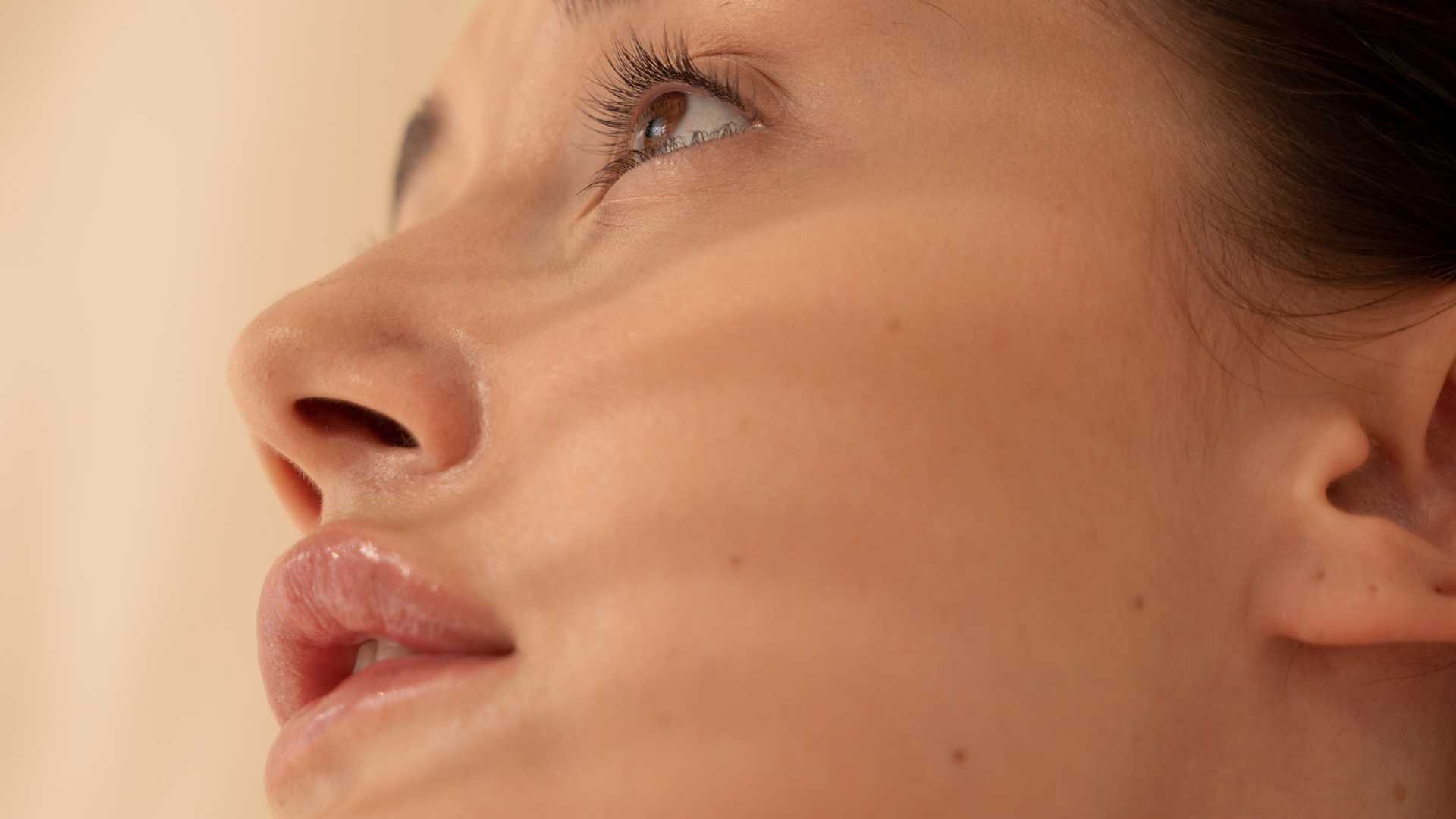
The theory attached to it usually runs like this: applied products do the work your skin should be doing, so your skin stops doing it, and a fast wakes the system back up. That is the part I want to look at properly, because it is stated everywhere as though it were settled.
The claim, and what the evidence supports
| What the trend claims | What holds up |
|---|---|
| Skin becomes dependent on moisturiser | Not supported. Moisturisers sit on and within the outer layer; the evidence base treats them as barrier support, not a crutch |
| Skin needs to breathe | No. Skin takes its oxygen from your blood supply, not from the air on your face |
| Fasting regulates oil production | Plausible for people who were over-cleansing or over-exfoliating, but not demonstrated as a general mechanism |
| It reveals what your skin is really like | This one is fair, and it is the only reason I would recommend trying it |
The honest summary is that dermatologists have not found robust clinical evidence for the reset story, while the practical benefit of stripping a routine back sits in plain sight: if eleven things are going on your face and one of them is causing redness, you will never identify it without removing them all first.
Running it as an experiment rather than a detox
Treat it as a controlled test with a start date and an end date, not a purification ritual. Ten to fourteen days is enough for skin to settle, since the outer layer turns over on roughly a monthly cycle and you are looking for a trend, not a transformation.
- Photograph your face in the same daylight, same spot, before you start. Memory is a terrible instrument for this.
- Keep a gentle cleanser and your sunscreen. Drop serums, oils, masks, exfoliants and anything scented.
- If your skin feels tight or flakes, put a plain moisturiser back. Discomfort is data, not a failure of willpower.
- Reintroduce one product at a time, four or five days apart, so a reaction can be traced to a single bottle.
- Write down what goes back and when. The whole value of the exercise is in this step.
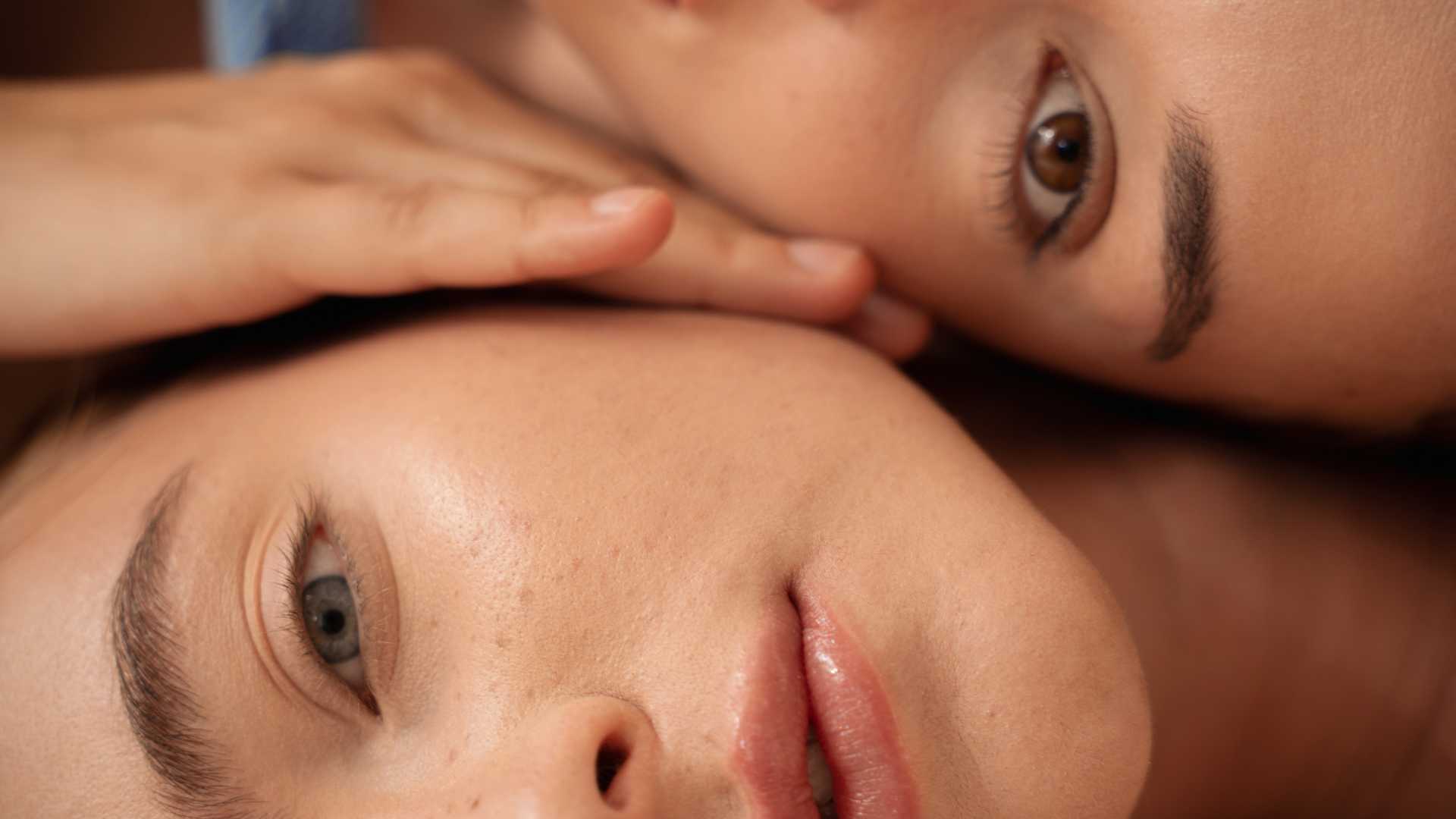
Expect a slightly oilier or slightly drier fortnight, and possibly a small breakout in the first week. That is the routine change showing, not the skin detoxifying, a word that means nothing in this context.
The one product that never goes in the drawer
Sunscreen is not a cosmetic you are fasting from, it is the single most effective anti-ageing measure available to you, and two weeks of unprotected daylight in summer undoes more than any serum was ever going to fix. The NHS advises at least SPF 30 with a UVA rating of four or five stars, roughly two teaspoons for face, neck and arms, reapplied every couple of hours when you are outdoors. UVA passes through cloud and window glass all year, which is why this is a January rule as much as a July one.
If you want the full version of that argument, including which claims about ageing skin are worth ignoring, I have written it up in my piece on anti-ageing skincare myths and facts.
Who should not do this

Anyone using a prescribed treatment should leave it exactly where it is. Acne, eczema, rosacea and psoriasis treatments are not part of a routine you can pause on a whim, and stopping them mid-course tends to produce a flare that takes far longer to settle than the fast lasted.
Very dry or eczema-prone skin is also a poor candidate. Emollients are the mainstay of managing it, and removing them to see what happens is a question you already know the answer to. The same goes for anyone in the middle of a course of treatment with a dermatologist.
For everyone else, the risk is low and the information gained can be genuinely useful. I have seen more skin problems on set caused by five actives layered without a plan than by anything a person failed to apply.
Questions worth asking before you empty the shelf
How long should a skin fast last?
Ten to fourteen days is plenty. Longer does not deepen the effect, and it delays the part that matters, which is the controlled reintroduction of one product at a time.
Will my skin look worse before it looks better?
Often it looks slightly different rather than worse: a bit shinier by mid afternoon, a bit tighter after washing. Persistent stinging, burning or a rash is not an adjustment phase, and it is a reason to stop.
Is this the same as a simple routine?
No, and a simple routine is what most people actually need. A fast is a temporary diagnostic. Cleanser, moisturiser and SPF, used consistently, is the permanent version and does more for your skin than any fortnight without products.
Can it help acne?
It can help if your breakouts were caused by heavy or occlusive products, and it will not touch acne that is hormonal or inflammatory. If spots are painful, scarring or persistent, a pharmacist or GP has treatments that work.
This is general information, not medical advice. Do not stop a prescribed skin treatment without speaking to the person who prescribed it, and see a pharmacist, your GP or a dermatologist about any skin problem that persists.
Sources: NHS guidance on sunscreen, sun safety and dry skin; published dermatology commentary on skin fasting and moisturiser use; Mirai Clinical’s own account of the origin of the term.
How many products are on your shelf right now?
Count them honestly and tell me in the comments. I suspect most of us could lose three without noticing, and I would like to know which three.