
Two of the assistants I share a kit with have a beauty box landing on their doormat every month, and neither of them could tell me what was in the last one. That stuck with me. So I went back through the subscriptions I have actually used, and the ones I keep being asked about on shoots, to work out when a box earns its place and when it quietly becomes a drawer full of sachets.
In Short
- Decide first whether you want to discover products or replace them. Very few boxes do both well.
- Beauty Pie is a membership rather than a curated box, so you choose what arrives.
- Petit Vour is the one I point people towards for vegan and cruelty-free formulas.
- Fill in the preference profile properly, otherwise the curation has nothing to work with.
What you are actually paying for each month
You are paying for curation and access, not for volume. That distinction matters more than any price comparison, because it is the thing people get wrong when they cancel after three months feeling short-changed.
Sample sizes exist so brands can put a formula in your hands cheaply. From my side of the makeup chair that is genuinely useful. I have found primers and cream blushes through samples that I would never have paid full price for on a hunch, and a sachet is enough to tell you whether a texture suits your skin, even if it is not enough to tell you what a serum does over eight weeks.
The trade-off is obvious once you say it out loud. A discovery box will always contain things you do not want, because that is the mechanism working as designed. If every item were guaranteed to suit you, it would not be a discovery service, it would be a shop.
The subscriptions worth knowing about
The market splits into three broad models, and knowing which model you are buying into tells you more than any monthly unboxing video will.
Beauty Pie
Beauty Pie is not a box at all, and that trips people up. It is a membership that lets you buy their own skincare, makeup and haircare at member pricing rather than receiving a curated selection each month. Their range is cruelty-free. If you already know your shades and your textures, this model removes the gamble entirely, because nothing arrives that you did not choose.
Petit Vour
Petit Vour is the one I recommend when someone tells me they want vegan beauty without doing the label research themselves. Each delivery mixes sample and full-size items across makeup, skincare and haircare, and the whole selection is vegan and cruelty-free by default. It is a curated box in the traditional sense, so the surprise element is the point.
The bigger curated names
Ipsy, Birchbox, BoxyCharm and GlossyBox are the ones most people have heard of, and they sit at different points on the sample-to-full-size scale. Ipsy built its reputation on personalised monthly bags, Birchbox on high-end samples, BoxyCharm on full-size products and GlossyBox on mixing established and newer brands. None of them is objectively better than the others. They simply answer different questions.
| Model | What arrives | Who it suits |
|---|---|---|
| Sample-led box | Several small sizes, chosen for you | Anyone still working out what suits their skin |
| Full-size box | Fewer items, retail sizes | Anyone happy to use whatever turns up |
| Membership pricing | Only what you order | Anyone with a settled routine |
| Values-led box | Curated to a standard, such as vegan or cruelty-free | Anyone who wants the label check done for them |
Where subscriptions genuinely fall down
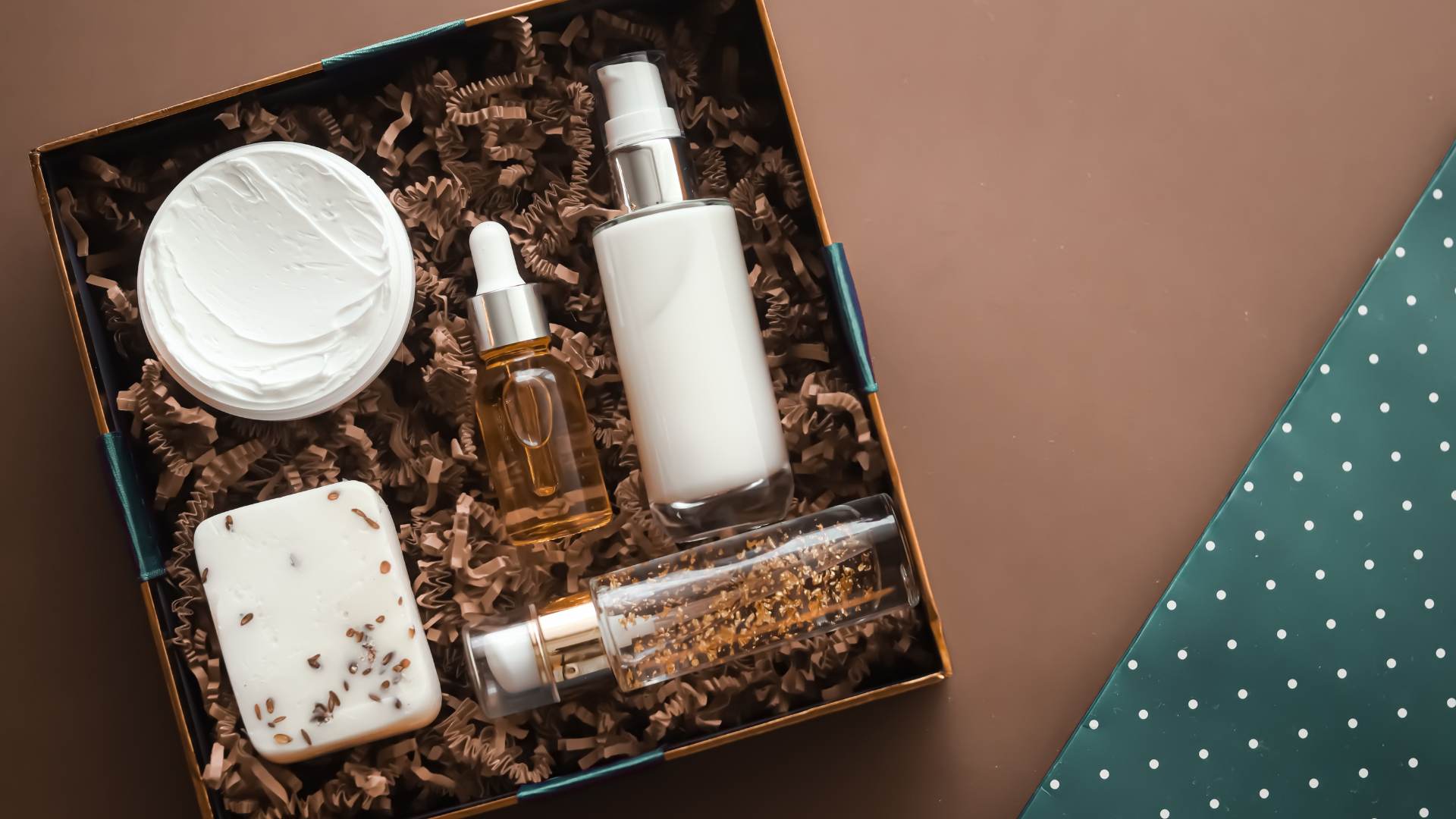
The honest weakness is that a sample rarely lasts long enough to judge anything that works slowly. A cleanser you can assess in a week. An exfoliating acid or a retinol product, you cannot, and a small tube runs out long before you would know. So I treat those categories as first-impression only, and I decide on texture, scent and how my skin feels the next morning, not on results.
The second weakness is fit. Shade-matched items are the obvious problem, but it also applies to hair. A shampoo formulated for fine hair does very little for someone with thick, coarse hair, and a curated box has no way of knowing that unless you told it.
Which brings me to the fix nobody does. Fill in the beauty profile properly. Every service that offers one uses it, and the difference between a lazy three-click sign-up and ten honest minutes is the difference between a box you look forward to and a box you resent. If you are unsure whether ethical claims are the deciding factor for you, it is worth reading around whether vegan beauty products live up to the hype before you pick a values-led subscription over a general one.
How to make a subscription earn its place
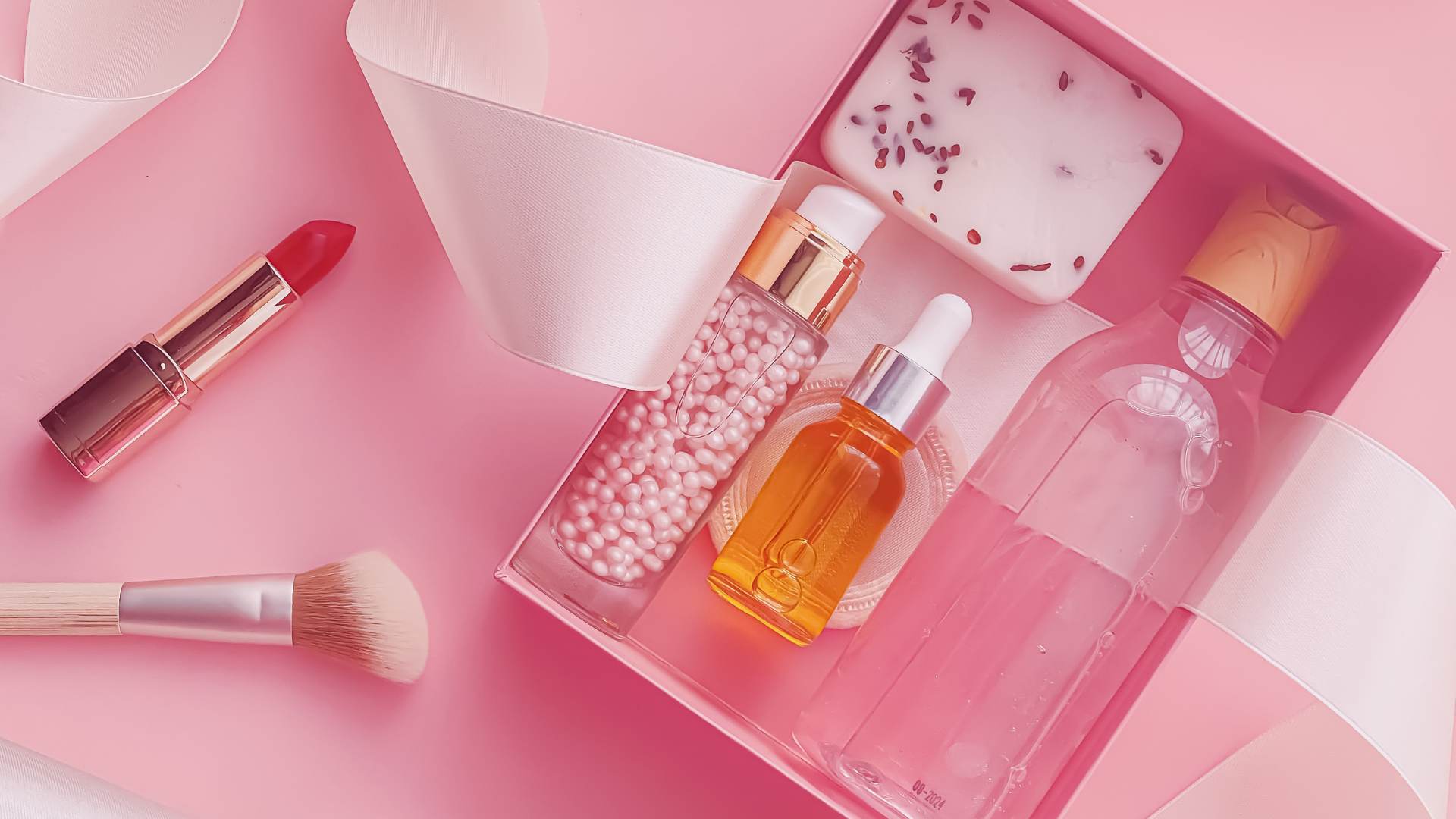
Keep a note. It sounds joyless next to the unboxing ritual, but it is the single habit that turns a subscription into something useful. Two lines in your phone: what it was, whether you would buy it full size. After four or five months you have a genuine shopping list instead of a vague feeling that you like the pink one.
Give the odd items a proper go, too. I have talked more than one client out of writing off a shade that looked alarming in the tube and looked lovely sheered out with a fingertip. Trying the thing you would never have chosen is most of what you are paying for.
And be willing to stop. A subscription that has stopped surprising you has finished its job, and there is no loyalty prize for staying. Cancel, use up what you have, come back when your routine next feels stale.
Questions I get asked about beauty boxes
How do beauty subscription boxes actually work?
You pay a recurring fee, usually monthly or quarterly, and receive a package of beauty products chosen by the service. Contents are typically a mix of sample and full sizes across skincare, makeup, haircare and fragrance, and the aim is to introduce you to products and brands you would not have picked yourself.
Can I choose what goes in my box?
Partly, on most services. Sign-up profiles and preference surveys shape the curation, and some subscriptions let you select one or two items each month from a shortlist. Full control only exists on membership models such as Beauty Pie, where you order individually rather than receive a curated selection.
Are the sample sizes big enough to judge a product?
For textures, scents and immediate wear, yes. For anything that works gradually, such as targeted skincare, a sample gives you a first impression rather than a verdict, and you should treat it as a shortlist entry rather than a conclusion.
Is a box cheaper than buying the products separately?
Usually yes on paper, since the point of the model is to deliver more retail value than the subscription price. Whether it is cheaper for you depends entirely on how much of each box you use, so the honest test is your own hit rate over three or four deliveries.
What should I do with the items that do not suit me?
Pass them on. Sample sizes are ideal for travel bags, and unopened items make perfectly good small gifts. Nothing about a subscription obliges you to use everything that arrives, and pretending otherwise is how the drawer of sachets starts.
Tell me what turned up in yours
I would genuinely like to know which boxes are getting the curation right this year, so leave a comment with your best and worst find.