
There’s been a significant amount of buzz surrounding vegan beauty products of late. As we become increasingly conscious consumers, many of us are turning towards sustainable and ethical alternatives. But the question remains – are vegan beauty products worth their hype? This article delves into the world of vegan beauty, highlighting the key benefits and exploring if they truly offer a better, cruelty-free approach to skincare.
What Does Vegan Beauty Really Mean?
Let’s begin with a straightforward question: What distinguishes vegan beauty products from the rest? A product is considered vegan if it contains no animal-derived ingredients. This includes everything from honey and beeswax to collagen and keratin. However, it’s essential to remember that a vegan product isn’t automatically cruelty-free. The term cruelty-free refers to products that aren’t tested on animals, a practice that is sadly still prevalent in many parts of the cosmetics industry.
Vegan beauty promises a more ethical approach to skincare, with each product respectful of all life forms. This ethos resonates with many conscious consumers, who believe that beauty should never come at the cost of animal welfare. Not only are these products kind to animals, but they also encourage the use of natural and plant-based ingredients, which are less likely to irritate sensitive skin.
Benefits of Vegan Beauty Products
The benefits of vegan beauty products extend far beyond their kinder approach to animal welfare. For one, these products are often packed with natural and plant-based ingredients. These components, derived from nature, are gentler on the skin, reducing the risk of irritation and inflammation. This makes them an excellent choice for those with sensitive skin or those prone to skin conditions like eczema or rosacea.
Furthermore, vegan beauty products are often considered more sustainable. The process of extracting animal-derived ingredients is not only cruel but can also be harmful to the environment. By avoiding these ingredients, we can help to reduce our carbon footprint and contribute to a more sustainable future.
The Rise of Vegan Beauty Brands
In recent years, numerous beauty brands have been launched with a clear vegan focus. These brands not only exclude animal-derived ingredients from their products but also ensure they are free from animal testing. Look for the Leaping Bunny logo, an internationally recognized symbol for cruelty-free cosmetics, to ensure the products you purchase are genuinely free from animal cruelty.
Brands like Milk Makeup, Herbivore, and Cover FX, to name a few, have earned a loyal following thanks to their commitment to vegan and cruelty-free beauty. These brands offer everything from skincare to makeup, proving that you don’t have to compromise on beauty to be kind to animals and the environment.
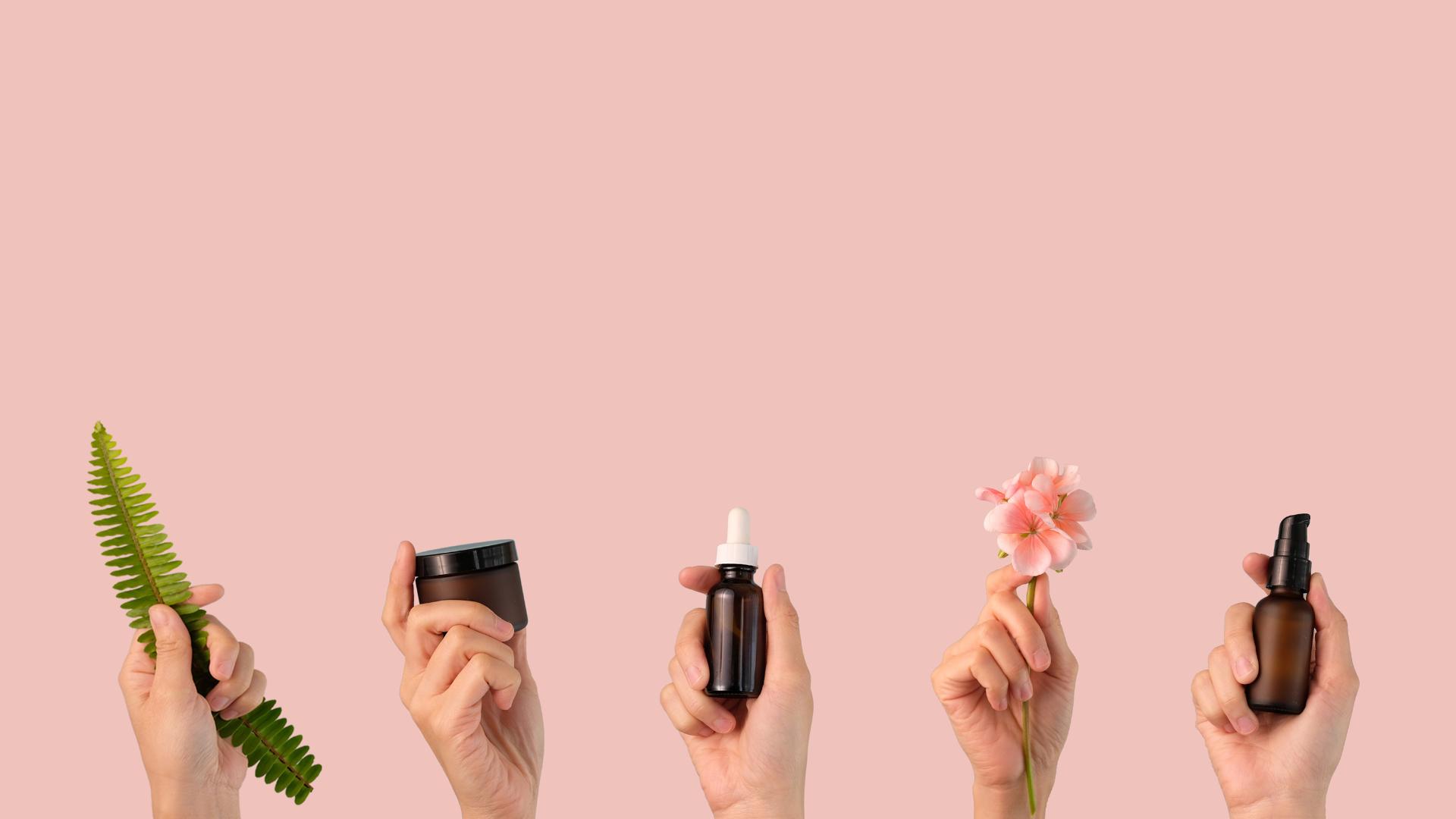
Are Vegan Beauty Products Worth the Hype?
In answering this question, it’s crucial to remember that not all vegan beauty products are created equal. Just like with any product, the effectiveness depends on the quality of the ingredients used.
However, with their focus on natural, plant-based ingredients and commitment to animal welfare, vegan beauty products certainly bring a lot to the table. They offer a more ethical, sustainable choice for consumers, without compromising on performance. Moreover, they cater to a wide range of skin types, making them a suitable choice for nearly everyone.
In conclusion, vegan beauty products certainly live up to their hype, offering a cruelty-free alternative that benefits not just our skin, but also the environment and, most importantly, the animals. By choosing vegan beauty, you’re making a stand against animal cruelty, championing sustainability, and opting for products that are kinder to your skin. So, the next time you’re in need of a new lipstick or moisturizer, why not give vegan beauty products a try? Your skin, and the earth, will thank you.
FAQ
What are vegan beauty products?
Vegan beauty products are those that do not contain any animal-derived ingredients. This means they are free from substances like beeswax, lanolin, collagen, and carmine. These products are also often not tested on animals, making them a popular choice for those who prioritize cruelty-free practices.
Are vegan beauty products beneficial for the skin?
Yes, vegan beauty products can be very beneficial for the skin. They often contain natural and plant-based ingredients, which can be gentler and less likely to cause irritation. Additionally, these products typically avoid harsh chemicals and synthetic additives, which can be beneficial for sensitive skin.
How can I identify if a beauty product is truly vegan?
To identify if a beauty product is truly vegan, look for certifications from recognized organizations, such as The Vegan Society or PETA. You can also check the ingredient list for common animal-derived substances and research the brand’s stance on animal testing. Some products also clearly label themselves as vegan on their packaging.
Are vegan beauty products more expensive than non-vegan ones?
Vegan beauty products can sometimes be more expensive than non-vegan ones, but this isn’t always the case. The price can vary widely depending on the brand, the formulation, and the specific ingredients used. However, many consumers find the ethical and health benefits of vegan products to be worth the potential additional cost.
Do vegan beauty products work as well as traditional products?
Vegan beauty products can be just as effective as traditional products, if not more so. Advances in cosmetic science have led to high-performing vegan formulations that can meet a wide range of beauty needs. Many users report that vegan products work well for their skin and hair, providing benefits without the use of animal-derived ingredients.