
The original version of this post promised a one-month plan that would fix your energy. It also quoted a survey it could not really name. I have gone back to the actual UK data, kept the parts of the plan that stand up, and thrown out the bits that were never true.
In Short
- The average UK adult gets only three days a week of good quality sleep, according to Mental Health Foundation research published in October 2025
- The NHS suggests eating every three to four hours instead of two large meals, and says a single 15 minute walk can lift energy
- Caffeine can still be working in your system up to seven hours later, which is the detail most people get wrong
- Tiredness that lasts weeks and does not lift with rest is a GP appointment, not a diet plan
- 1 The survey this article originally cited, corrected
- 2 The 2014 plan, audited
- 3 Eating every three to four hours is the actual mechanism
- 4 Caffeine is probably still in your system when you think it is gone
- 5 Movement, including the amount that feels too small to count
- 6 When it is not your routine at all
- 7 Questions I get asked about this
The survey this article originally cited, corrected
The first version claimed that “a new study from the Foundation think tank” found one in two people in the UK do not wake up feeling rested. I could not stand that up, so here is what the real research says instead.
The Mental Health Foundation commissioned Opinium to survey 2,000 UK adults, and published the results on 24 October 2025. The headline finding is that the average UK adult gets good quality sleep on only three days out of seven. Nearly half, 48%, said poor sleep had left them angrier, more irritable, more anxious or more overwhelmed in the previous month. Four in ten said bad sleep affects their mental health at least once a week, and 14% said they were not getting enough sleep to function properly at all.
Two more numbers from that survey are worth knowing if you work: a third of employed respondents said poor sleep made it harder to concentrate, and 22% admitted they were making more mistakes because of it. And 38% had never tried anything at all to improve their sleep, which is arguably the most useful statistic in the set.
The 2014 plan, audited
The original article laid out a day of eating. Rather than delete it, here it is next to what the current NHS guidance actually supports.
| What the original plan said | What holds up now |
|---|---|
| Big glass of water on waking, then wait 30 minutes before eating | The water, yes. The 30 minute wait has no basis and mostly delays breakfast |
| Squeeze a lemon into warm water | Pleasant. Does nothing the water alone does not do |
| Protein breakfast: eggs, granary toast, tea or coffee | Sound. This is the strongest single item on the original list |
| Fruit at the coffee break, yoghurt and fruit mid-afternoon | Matches NHS advice to eat every three to four hours rather than fast between big meals |
| Two squares of 70% chocolate “to improve the mood” | Enjoy it, but the mood claim is thin. Treat it as a treat |
| Red meat at dinner as “the best source of energy” | Overstated. Iron matters if you are deficient, and that is a blood test question |
| Chamomile before bed, three hours of sport a week | Both fine. The NHS target is 2 hours 30 minutes of moderate activity weekly |

Green salad, cheese with walnuts and crunchy bread without gluten
Eating every three to four hours is the actual mechanism
This is the part of the old plan that was right for reasons it did not explain. The NHS advice on fighting fatigue is explicit: eat at regular intervals, three to four hours apart, with healthy snacks in between, rather than going long stretches and then eating a large meal. Long gaps followed by a big plate produce exactly the mid-afternoon flatness people then try to fix with a third coffee.
A plate built the way the original suggested, protein plus vegetables plus a slower carbohydrate like wholegrain rice or potatoes, does hold you for those three to four hours. That is the whole trick, and it does not need a name or a 28 day programme.
Caffeine is probably still in your system when you think it is gone
The NHS puts it plainly: the effects of caffeine on the body can last up to seven hours. A 4pm coffee is therefore still doing something at 11pm, which is worth knowing if you are the sort of person who insists caffeine does not affect you and also cannot get to sleep.
Alcohol is the mirror image of the same problem. It makes you fall asleep faster and then makes the sleep shallower, so you can spend eight hours in bed and wake up feeling like you spent five. The NHS guidance is not to regularly drink more than 14 units a week, spread out rather than saved up.

Salad, Oyster is full of iode, and soja milk mousse
Movement, including the amount that feels too small to count
The instinct when you are exhausted is to cancel everything, and that usually makes the next day worse. The NHS says a single 15 minute walk can give you an energy boost, with a longer-term target of 2 hours 30 minutes of moderate aerobic exercise a week.
The original article’s “three hours of sport per week, individual or team, whatever you prefer” was aiming at the same thing and slightly overshooting the official figure. The choice-is-yours part was the good bit. Consistency beats intensity here, and a sport you actively enjoy gets done in February.
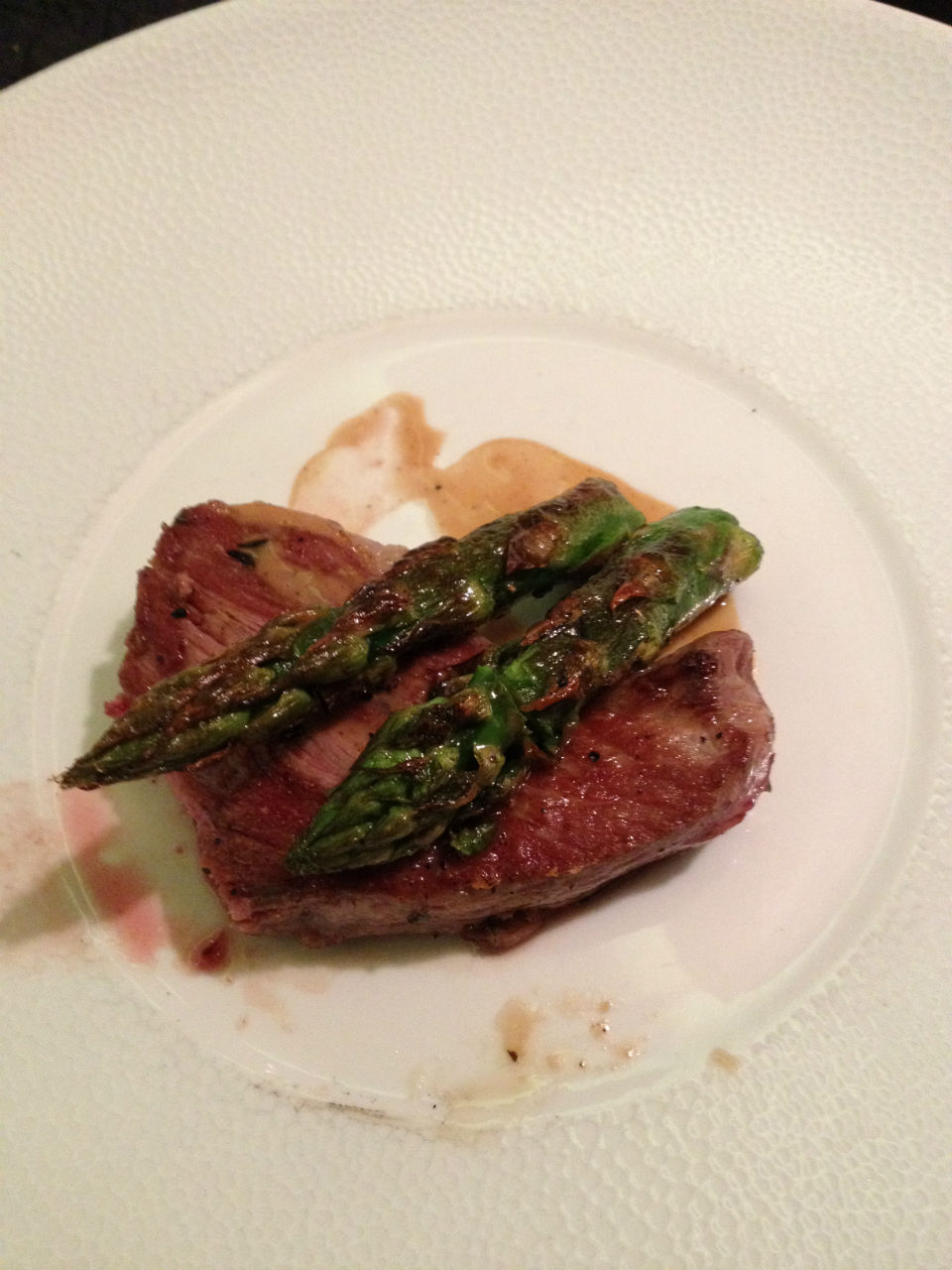
Meat and broccoli or asparagus,it’s as you prefer
When it is not your routine at all
This is the section the original was missing, and it is the important one. The NHS lists a long set of causes of persistent tiredness that no meal plan will touch: iron deficiency anaemia, an overactive thyroid, diabetes, sleep apnoea, depression, glandular fever, ME/CFS, and the after-effects of COVID-19, alongside life stages like pregnancy and the menopause.
See a GP if you have felt tired for a few weeks and cannot explain it, if the tiredness is getting in the way of your daily life, if it comes with other symptoms such as weight loss or mood changes, or if someone has told you that you gasp, snort or choke in your sleep. Being told you are simply run down is a diagnosis a doctor makes, not one you make from a blog post.
Questions I get asked about this
Does the lemon water do anything at all?
It gets you drinking a glass of water first thing, and mild dehydration genuinely does cause tiredness. That is the entire benefit. There is no metabolic effect from the lemon.
How long before I should expect to feel different?
Sleep and meal timing changes tend to show up within a week or two. If nothing at all has shifted after a month of genuinely consistent sleep and regular meals, that is a reason to get checked rather than to try harder.
Is a nap cheating?
No, though a long or late one will eat into that night’s sleep. The NHS advice while you are trying to reset a sleep pattern is to avoid daytime naps, which is a different question from whether naps are useful in general.
I sleep eight hours and still wake up exhausted. What now?
Time in bed and quality of sleep are not the same measurement, which is exactly what the Mental Health Foundation survey was getting at. Snoring, gasping or waking repeatedly are worth mentioning to a GP.
If the afternoon slump is the part you recognise most, the piece on what a short nap at work does and does not fix covers that specific hour in far more detail.
First published November 2014. Fully rewritten and fact-checked on 14 August 2026. This is general information and not medical advice. Persistent tiredness should be discussed with a GP.
Sources: Mental Health Foundation and Opinium, survey of 2,000 UK adults published 24 October 2025; NHS, Self-help tips to fight fatigue; NHS, Why am I tired all the time?; NHS guidance on alcohol units and on physical activity for adults.
Which one would you actually change first?
For me it was the late coffee, and I resisted that one for about two years. Tell us what you would drop first in the comments.
Read next: why Sunday is where most people’s week already goes wrong