
With the world still grappling with the impact of the pandemic, we have had time to reflect and reevaluate our approach to many aspects of life. Travel, once seen as a luxury or a means to escape, has now become a matter of intense public debate. The intrinsic need to explore new environments, meet different people and experience diverse cultures has been intertwined with concerns about health, social responsibility and sustainability. This has given rise to the ‘Slow Travel’ revolution, an idea that encourages us to travel less frequently but more meaningfully.
The Impact of the Pandemic on Travel
The covid pandemic has left an indelible mark on the global travel industry. Governments around the world implemented stringent restrictions on international and domestic travel, severely impacting businesses associated with tourism. But more than the economic losses, the pandemic has altered the way we perceive and experience travel.
Before the pandemic, travel was often seen as a race against time. People were inclined to visit as many places as possible within a limited timeframe, often leading to a rushed and superficial travel experience. However, with the onset of the pandemic and subsequent restrictions, many started realizing the merits of a slower, more mindful approach to travel. This has led to the rise of the ‘Slow Travel’ movement, which advocates for spending more time in fewer places to gain a deeper understanding and appreciation of the local culture, environment and people.
The Emergence of ‘Slow Travel’
The concept of ‘Slow Travel’ isn’t entirely new. However, the pandemic has underscored its relevance and accelerated its acceptance among the public. Slow Travel is all about immersing oneself in the local environment, spending quality time exploring a single place rather than hopping from one destination to another. This kind of travel is about taking the time to soak in the surroundings, engage with the locals, and truly understand the fabric of the place.
Unlike traditional travel, Slow Travel doesn’t involve ticking off a checklist of tourist attractions. Instead, it’s about creating personalised experiences that resonate on a deeper level. It’s about visiting the local market, trying out the regional cuisine, conversing with the locals, and learning about their customs and ways of life.
The Sociopolitical Impact of Slow Travel
Slow Travel holds potential to bring about social and political changes, both at the local and international levels. By spending an extended period in a single location, travellers get to understand the local community, its political structure, social norms, and challenges. This deeper understanding can foster empathy and cultural exchange, thereby reducing stereotypes and biases and promoting international understanding and trust.
Moreover, Slow Travel can impact local economies in a positive way. By spending more time in one place, travellers tend to spend more locally, contributing to the local economy and supporting small businesses.
The Future of Slow Travel
The future of Slow Travel looks promising. As more people become aware of its benefits – to their health, the environment, and local communities – its popularity is likely to increase. Technology has a significant role to play in this. With more people working remotely, the lines between work and travel have blurred. This has made it easier for people to stay longer in a single location, working during the day and exploring in their free time.
Government policies can also encourage Slow Travel. By incentivising longer stays, reducing tourism-related pollution, and promoting local businesses, governments can foster a sustainable and responsible travel culture.
Slow Travel and Well-being

Finally, Slow Travel has health and well-being benefits too. The hustle and bustle of modern life, coupled with the stress of the pandemic, have made us realise the importance of slowing down and taking care of our mental health. Slow Travel allows us to do just that. By spending more time in one place, we can decompress, rejuvenate, and return with a refreshed perspective.
Moreover, Slow Travel can also contribute to our physical well-being. Walking or cycling in a new place, sampling healthy local cuisine, participating in local physical activities – all these can contribute to physical fitness.
Overall, the ‘Slow Travel’ revolution is not just about changing how we travel. It’s about embracing a new perspective towards life – a perspective that values experiences over possessions, quality over quantity, and well-being over hustle. While the pandemic may have triggered this shift in travel behaviour, the benefits it brings make it likely that Slow Travel is here to stay. And as we learn to travel less but better, we might just find that we enhance our well-being in the process.
The Role of Remote Work in Slow Travel
The pandemic and the subsequent shift to remote work have played a fundamental role in the rise of Slow Travel. Millions of people have been forced to adapt to working from home, and with this has come the realization that work can be done from virtually anywhere. This has opened up an entirely new possibility for travel, where people can live and work in a location for an extended period without having to take time off.
Such a shift in work culture has a profound impact on travel behaviour. Instead of rushing through a week-long vacation, remote workers can now experience travel at a slower, more relaxed pace. They can spend weeks or even months in a destination, balancing their work commitments with leisure time. This gives them a chance to fully immerse themselves in the local culture, truly experiencing the destination rather than just visiting it.
Remote work is also influencing the nature of business travel. With virtual meetings becoming the norm, business trips, which used to be quick and tightly scheduled, can now be extended to include more leisure time. This not only enhances the travel experience but also reduces the stress associated with business travel.
The shift to remote work and its impact on travel is not limited to the United States. It’s a global trend, impacting the international travel scene and the global tourism industry. And it’s not just a passing fad. Many organizations have realized the benefits of remote work and are planning to continue this trend post-pandemic, indicating that the influence of remote work on travel is here to stay.
Slow Travel as a Response to Climate Change
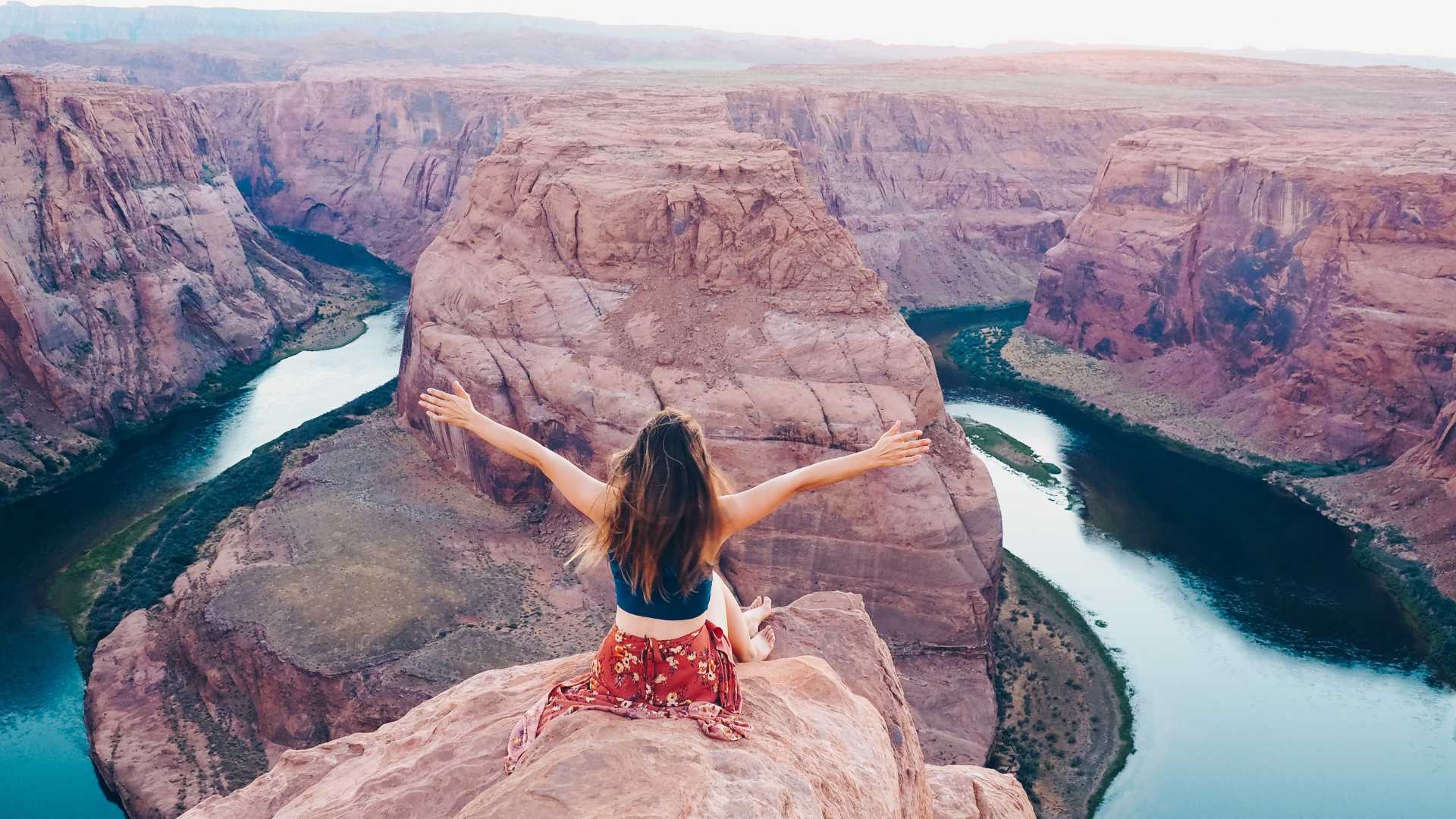
Another critical factor that’s driving the Slow Travel revolution is the increasing awareness about climate change and the need for sustainable practices. Travel, especially air travel, is a significant contributor to carbon emissions. By traveling less frequently but staying longer, we can reduce our carbon footprint and contribute positively to the fight against climate change.
Slow Travel also promotes sustainable practices at the destination. Instead of mass tourism, which often leads to overcrowding and overuse of resources, Slow Travel encourages a more balanced approach. It promotes staying in locally owned accommodations, eating at local restaurants, and buying local goods, all of which support local economies and promote sustainability.
The federal government, as well as state and local governments, can play a crucial role in promoting Slow Travel and its positive impact on the environment. By implementing policies that reduce the environmental impact of tourism, incentivize sustainable practices, and educate travelers about the importance of responsible travel, governments can contribute significantly to the Slow Travel revolution.
Embracing the Slow Travel Revolution
In conclusion, the Slow Travel revolution is indeed a powerful response to the changes brought about by the pandemic. It offers a new way to experience travel – one that is more mindful, sustainable, and fulfilling. It’s a movement that’s not only reshaping the tourism industry but also challenging our traditional notions of travel and leisure.
As we move towards the future of travel, Slow Travel has the potential to become the norm rather than the exception. It’s a trend that aligns with our evolving priorities – the desire for meaningful experiences, the need for work-life balance, the importance of sustainability, and the urge to contribute positively to the communities we visit.
The pandemic has indeed changed the way we travel, but it’s not all gloom and doom. As we adopt Slow Travel, we’re not just finding new ways to explore the world; we’re also discovering a path to enhance our well-being and lead a more fulfilling life. So, let’s embrace the Slow Travel revolution and learn to travel less, but better.