
A model once turned up to a shoot in leggings and an oversized zip-up, apologised for it, then wore the same outfit to dinner that evening and looked better than half the room. Nobody had told her it was acceptable. She had simply worked out which pieces were doing the work, which is the whole question with athleisure.
In Short
- Structure is what separates athleisure from loungewear. One firm, tailored element per outfit.
- Fabric quality shows instantly. Thin, shiny or bobbled fabric reads as worn-out sportswear.
- Fit beats brand. Leggings that have gone baggy at the knee are finished, whatever they cost.
- It belongs at the gym, at home, on errands and on planes. Not at weddings, interviews or formal dinners.
How gym clothes quietly became clothes
Athleisure describes clothing built with athletic performance in mind but cut and styled for ordinary life. The term became useful in the early 2010s, when brands including Lululemon and Nike started designing leggings and tops that were plainly meant to be seen outside a studio rather than hidden under a coat on the way there.
Two things pushed it from niche to normal. Instagram and later TikTok put people wearing these clothes in front of enormous audiences all day long, and then a large chunk of the working population started spending their week at home, where nobody was checking whether you owned trousers with a zip.
What has kept it going is less exciting and more durable: technical fabric is genuinely comfortable, and once you have spent a week in clothing that moves with you, going back to stiff waistbands feels like a downgrade.
When to wear it, situation by situation
The honest answer to when to wear athleisure depends entirely on what the next few hours involve, so here it is broken down by the situations that come up most.
The gym, and the two hours either side
This is what the clothes were built for, and the only situation where technical fabric is doing its actual job. The useful trick is choosing pieces that survive the transition afterwards: a plain black legging and a clean sweatshirt will get you into a cafe without anyone thinking about it, while a bright compression set will not.
Working from home

The trap here is drifting into pyjamas by degrees. Keep one structured layer within reach, a jacket or a firm knit, and put it on for calls. It reads on camera as a decision, and more usefully it marks the difference between working and not working, which is the part that actually matters after a few months of it.
Errands, the school run, the supermarket
Ideal territory. You are moving, carrying things and in and out of the car, and nothing here is improved by a waistband that digs in. Trainers, a legging or a jogger, and a longer top that covers where you want covering.
Travel days
Long journeys are the strongest case for athleisure of all. Fabric that stretches, does not crease and dries quickly beats anything else on a six-hour trip. Layers matter more than the outfit, because you cannot predict the temperature of a plane or a train, and pockets that zip are worth more than any styling detail.
The office
This one depends on where you work and there is no universal answer. In a relaxed studio, a tailored jogger with a proper shirt and clean shoes passes without comment. In a client-facing role with any kind of dress code, it does not, and being the only person in the room in leggings is not a fight worth picking for the sake of comfort.
Formal events
No. A wedding, an interview or a formal dinner has an implicit dress code, and turning up in sportswear reads as not having bothered rather than as a style choice. There are semi-formal occasions where a sharp jogger and a good jacket work, but read the room first.
| Occasion | Verdict | What to swap in |
|---|---|---|
| Gym and after | Yes | A plain sweatshirt over the training top |
| Working from home | Yes, with a structured layer | A blazer or firm cardigan for calls |
| Errands and travel | Yes | A longer coat if it needs pulling together |
| Casual office | Depends on the room | Tailored jogger, shirt, leather trainers |
| Weddings and interviews | No | Anything with a proper waistband |
The details that stop it reading as pyjamas
What separates an outfit that looks considered from one that looks like laundry day is rarely the price of the pieces. It comes down to four things, and none of them require new clothes.
- One structured element. A blazer, a denim jacket, a stiff-shouldered coat. Something in the outfit has to hold a shape, or the whole thing goes shapeless.
- Fabric that still looks new. Bobbling, thinning at the seat and shine on the knee are the giveaways. Technical fabric ages badly and visibly, so retire pieces earlier than you would a cotton jumper.
- Deliberate proportion. Slim on the bottom with volume on top, or the reverse. Loose everywhere is where the pyjama comparison comes from.
- Clean footwear. Scuffed trainers undo everything above them, which is why keeping a decent pair of sneakers in good condition matters more here than in almost any other outfit.
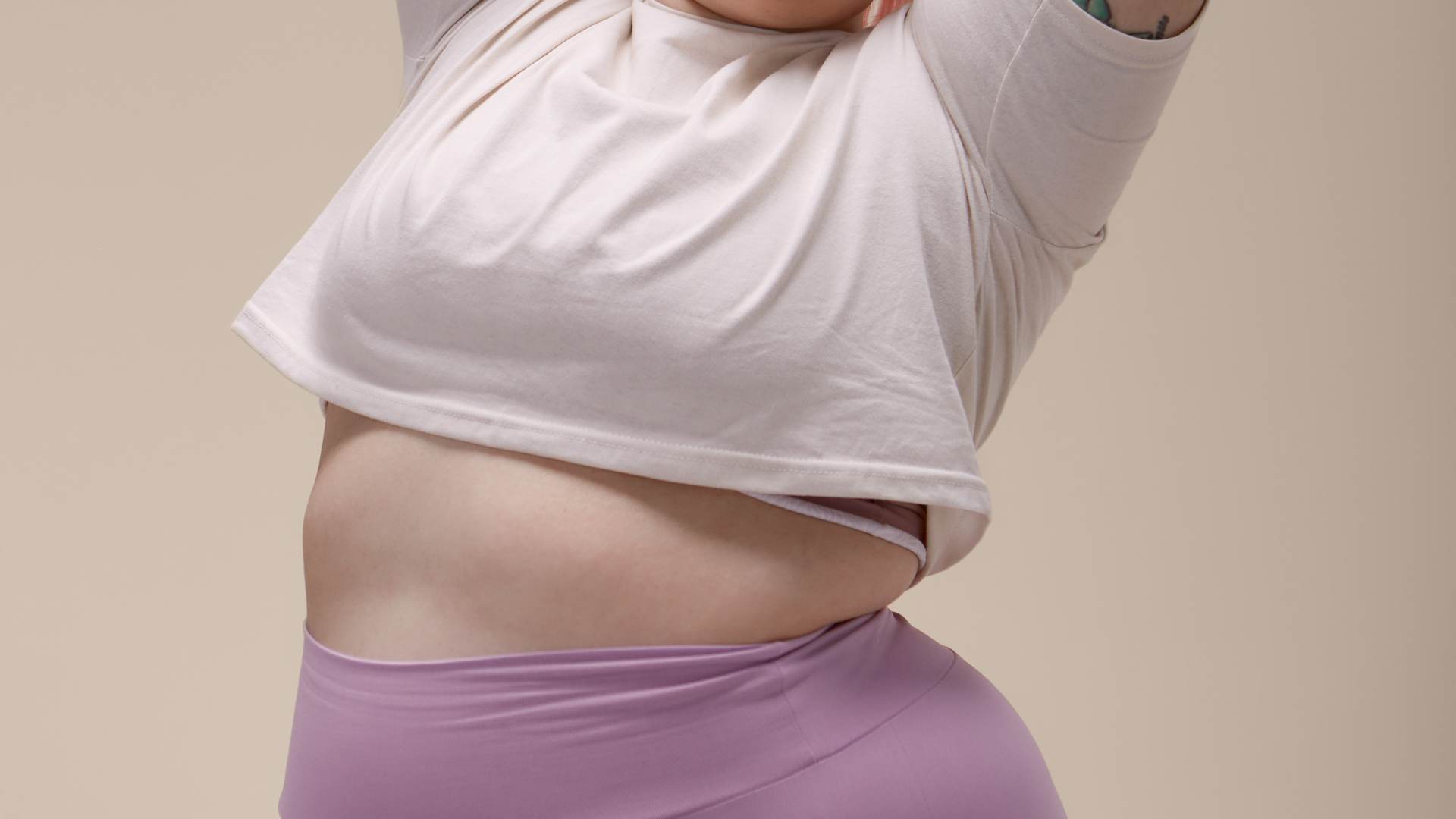
On colour, the safest way in is a neutral base with one thing that has some life in it. Black, charcoal, navy and stone will all sit together without any effort, and a coloured jacket or bag on top stops the whole outfit reading as technical kit.
Athleisure, answered plainly
What is athleisure exactly?
Clothing designed with athletic use in mind that is cut, coloured and styled to be worn in ordinary settings. Leggings, joggers, technical tops, zip-through jackets and trainers make up most of it. The defining feature is that it is meant to be seen rather than covered up on the way to a class.
Can I wear athleisure to the office?
In a relaxed workplace, yes, if you keep it tailored. A structured jogger, a proper shirt or knit and leather trainers rather than running shoes. In anywhere with a stated dress code or regular client meetings, treat it as a weekend option instead.
Which pieces are worth spending money on?
Leggings and a zip-through jacket, because those are the two that get worn most and show wear fastest. Cheap leggings go transparent when stretched and lose their shape at the knee within a season, and a jacket you keep for years is the piece doing the structural work in most outfits.
How do I make leggings look like an outfit rather than gym kit?
Lengthen the top half and firm up the outer layer. A tunic-length top or a longline knit changes the proportion completely, and a coat with an actual shoulder line over it does the rest. Swapping running shoes for something flatter and plainer finishes the job.
How long should technical fabric last?
Less time than you would like, especially anything with a high elastane content. Wash it cool, skip the fabric softener, which clogs the fibres, and dry it flat rather than on a radiator. Even then, treat leggings worn twice a week as an eighteen-month item rather than a forever one.
Where do you draw the line?
I know people who would wear leggings to a christening and people who will not leave the house in them. Tell me which side you are on in the comments.