
Fashion is more than just an industry; it is a dynamic blend of creativity, culture, and commerce that reflects both personal identity and societal values. Among the driving forces in this ever-evolving world, fashion icons hold a particularly influential role. From celebrities to designers and influencers, these trendsetters shape styles, guide consumer behavior, and dictate what’s in vogue. This article explores how fashion icons impact today’s trends, influence buying decisions, and leverage social media to amplify their reach.
Frequently Asked Questions
Who are considered the most influential fashion icons in recent history?
Influential fashion icons include Audrey Hepburn for her timeless elegance, David Bowie for his bold and androgynous style, and Rihanna for her boundary-pushing and eclectic fashion choices. Each has had a lasting impact on trends and designer inspiration.
How do fashion icons shape current fashion trends?
Fashion icons influence trends through public appearances, media exposure, and social media visibility. Their style choices often receive wide attention, leading brands and consumers to adopt similar looks and aesthetics.
Can the influence of fashion icons be seen in everyday fashion choices?
Yes, everyday fashion often reflects the styles worn by fashion icons. Popular clothing items, colors, and silhouettes frequently mirror trends introduced by celebrities and influencers.
What role does social media play in amplifying the influence of fashion icons?
Social media allows fashion icons to share their looks instantly with large audiences. Platforms like Instagram and TikTok enable trends to spread quickly and create direct interaction between icons, followers, and brands.
How Fashion Icons Shape Trends
Fashion icons have always held a significant role in defining trends and influencing personal style. Their impact resonates across generations and continues to evolve in the digital age. Here’s a breakdown of how these icons shape trends:
- Timeless Influence of Classic Icons:
- Icons like Audrey Hepburn remain perennial sources of inspiration.
- Hepburn’s iconic styles, such as the little black dress from Breakfast at Tiffany’s and her elegant accessory choices, have transcended decades, symbolizing sophistication and timeless appeal.
- Her legacy demonstrates how a single figure can inspire countless designers and enthusiasts for generations.
- Rise of Social Media and Modern Icons:
- Platforms like Instagram, TikTok, and Pinterest have redefined how fashion icons interact with their audiences.
- Social media allows influencers to showcase their personal style in real-time, creating a dynamic and accessible source of inspiration.
- Today’s fashion icons, from celebrities to online influencers, use these platforms to engage directly with their followers, creating a closer and more interactive relationship.
- Global Trendsetting:
- Influencers and celebrities act as global trendsetters, with their choices quickly going viral.
- Whether endorsing luxury brands, sporting emerging designers, or highlighting sustainable fashion, their styles ripple through the industry and often become the gold standard.
- Viral trends, from specific clothing items to styling techniques, can emerge almost overnight, thanks to their widespread reach.
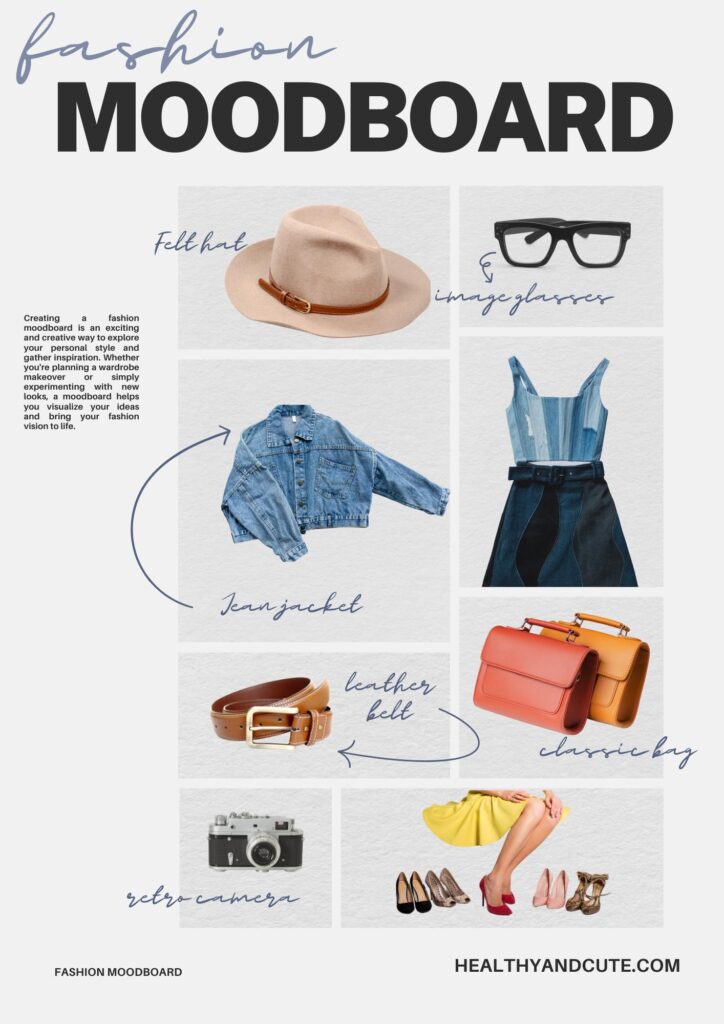
- Impact on Consumer Behavior:
- Followers often emulate the style choices of these icons, making them pivotal in shaping consumer decisions.
- From streetwear to haute couture, the preferences of fashion icons directly influence what becomes commercially popular.
- Their endorsements can also propel lesser-known brands or sustainable alternatives into the mainstream.
- Bridging Tradition and Modernity:
- Modern fashion icons effortlessly combine classic influences with contemporary trends, creating a unique blend that resonates with diverse audiences.
- This mix ensures that timeless styles remain relevant while also embracing innovation and change.
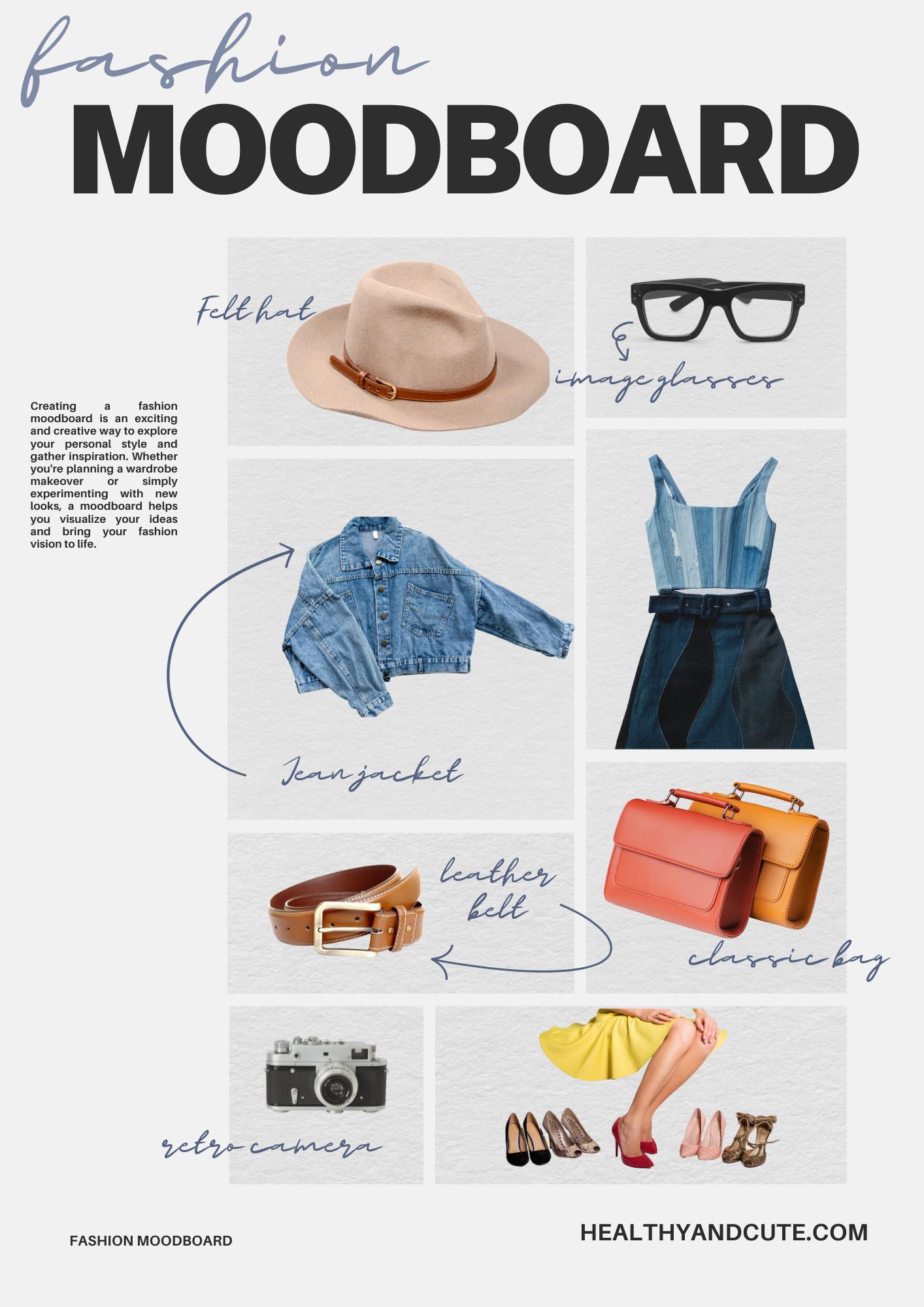
By blending timeless elegance with modern-day accessibility, fashion icons continue to drive the industry forward, ensuring their role as key trendsetters in an ever-changing fashion landscape.
The Power of Brands and Designers in Fashion Choices
Renowned designers and influential brands are central to shaping global fashion trends. Their creations, collaborations, and strategic moves set the stage for what becomes fashionable across various demographics. Here’s how their power manifests:
- Setting the Tone for Fashion:
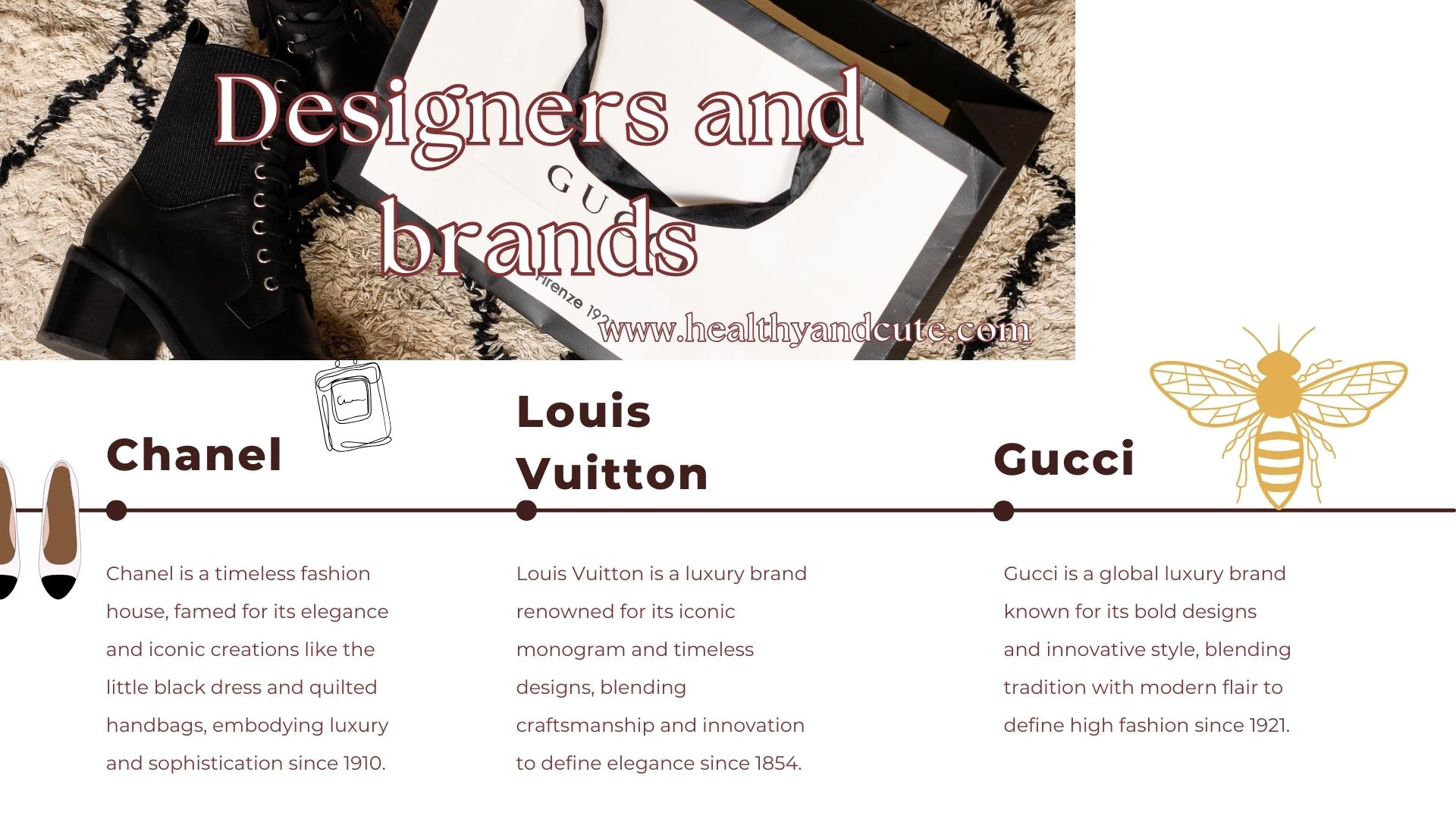
- Designers and brands like Chanel, Louis Vuitton, and Gucci drive the narrative in the fashion world.
- Avant-garde collections challenge norms and push creative boundaries, while timeless classics ensure enduring appeal.
- Trends from high-end runways often inspire and influence mainstream fashion, trickling down to everyday wardrobes.
- The Influence of Celebrity Collaborations:
- Collaborations between high-profile celebrities and fashion houses amplify visibility and desirability.
- Red-carpet appearances featuring specific brands can instantly make a design iconic.
- For example, Zendaya and Timothée Chalamet have partnered with brands like Valentino and Chanel, creating unforgettable fashion moments that define trends.
- The Power of Endorsements:
- A celebrity endorsement can transform a brand’s status almost overnight, increasing both sales and cultural relevance.
- Exclusive campaigns featuring household names bring prestige and allure, attracting new audiences to luxury and niche brands alike.
- Endorsements also elevate specific items, making them must-haves for fans and fashion enthusiasts.
- Driving Accessibility Through Mainstream Influence:
- Once reserved for haute couture, designer-inspired styles now influence high-street fashion, making them accessible to a wider audience.
- Fast fashion brands often replicate runway trends, democratizing designer influence and bringing high-fashion aesthetics to the masses.
- Shaping Consumer Aspirations:
- Luxury brands are often seen as aspirational, and their influence extends beyond fashion to encompass lifestyle and identity.
- Designer logos and signature styles, such as Gucci’s monogram or Chanel’s quilted bags, have become symbols of status and taste.
By blending creativity with strategy and leveraging celebrity power, renowned designers and brands continue to dominate the fashion landscape, ensuring their influence remains as pervasive as ever.
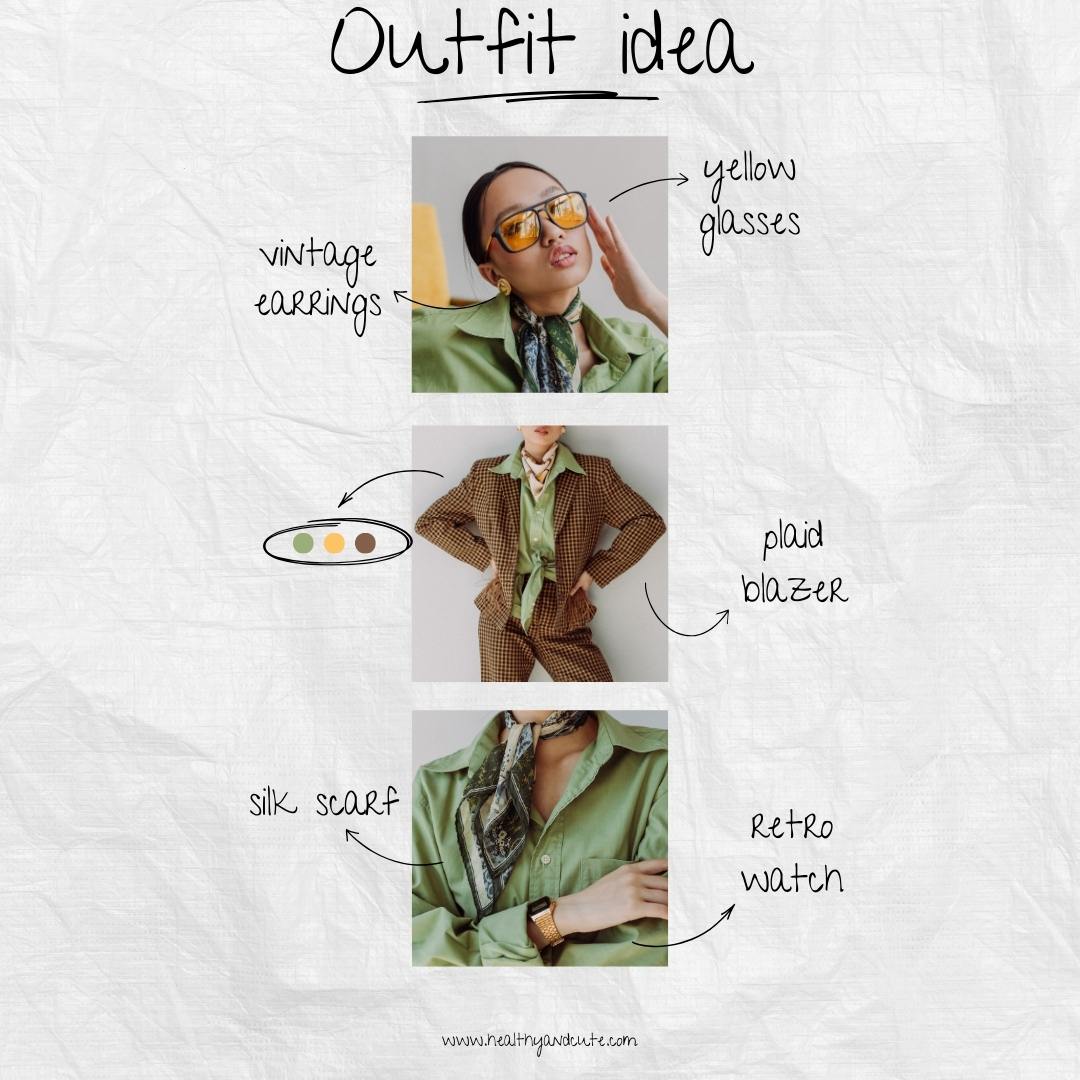
Sustainability: A New Era of Influence
As the fashion industry responds to growing environmental concerns, sustainability has emerged as a key focus. Fashion icons are at the forefront of this movement, using their platforms to inspire change and encourage conscious consumption. Here’s how sustainability is reshaping fashion:
- The Shift Toward Sustainability:
- Growing environmental awareness has prompted the industry to embrace sustainable practices.
- Consumers are increasingly prioritizing ethical and eco-friendly brands over fast fashion.
- This shift is driven by the advocacy and influence of fashion icons championing sustainability.
- The Role of Fashion Icons in Promoting Change:
- Influencers and celebrities actively collaborate with sustainable brands to highlight eco-friendly products.
- Through their platforms, they raise awareness about the environmental impact of traditional fashion practices.
- Their support for organic materials, recycled fabrics, and slow fashion inspires followers to adopt greener habits.
- Collaborations That Drive Impact:
- Partnerships between icons and sustainable brands amplify visibility and credibility.
- These collaborations showcase stylish yet environmentally conscious alternatives to conventional fashion.
- By promoting sustainable collections, icons help reshape consumer preferences and redefine fashion norms.
- Transforming Consumer Behavior:
- The influence of icons has led to increased demand for clothing with minimal environmental impact.
- Terms like “capsule wardrobe,” “upcycled fashion,” and “zero-waste design” have entered mainstream vocabulary, thanks to their advocacy.
- Consumers now view sustainability not as a compromise but as an integral aspect of modern style.
- Balancing Style and Sustainability:
- Icons prove that fashion can be both stylish and sustainable, breaking stereotypes of eco-fashion as dull or limited.
- Their efforts demonstrate that making environmentally friendly choices is not only responsible but also trendsetting.
 By driving awareness and supporting ethical practices, fashion icons are at the heart of the industry’s sustainable transformation. Their influence underscores the growing belief that style and sustainability are not mutually exclusive but complementary forces shaping the future of fashion.
The Role of Social Media in Revolutionizing Fashion
Social media has transformed the fashion landscape, offering a stage for icons to showcase their style and directly engage with their audience. Platforms like Instagram, TikTok, and Pinterest have become breeding grounds for trends, with hashtags and viral challenges amplifying their reach.
Social media influencers—many of whom were once everyday users—now command significant sway over their followers’ fashion choices. By curating outfits, sharing behind-the-scenes glimpses of their collaborations, and engaging in real-time, they foster a sense of authenticity that traditional advertising often lacks.
Brands, too, benefit from this digital shift, as they can connect with consumers in ways that were unimaginable a decade ago. Real-time interactions, virtual fashion shows, and influencer partnerships have become the norm, making fashion more accessible and interactive.
Icons at the Heart of Fashion Trends
The influence of fashion icons on today’s trends is undeniable. From dictating styles and collaborating with top designers to advocating for sustainability and harnessing the power of social media, these figures are at the heart of the industry. While trends may come and go, the role of fashion icons in shaping our choices and defining what’s fashionable remains constant.
As we navigate an era of rapid change, it’s clear that these icons wield extraordinary power—driving not only consumer behavior but also the overall direction of the fashion industry. Their ability to inspire, innovate, and influence ensures that they will remain central to the ever-evolving world of fashion
FAQ
Who are considered the most influential fashion icons in recent history?
Some of the most influential fashion icons in recent history include figures like Audrey Hepburn, whose classic and elegant style continues to inspire; David Bowie, known for his bold and androgynous fashion statements; and Rihanna, who is celebrated for her boundary-pushing and eclectic fashion choices. Each of these individuals has left a lasting mark on the fashion industry, influencing trends and inspiring designers worldwide.
How do fashion icons shape current fashion trends?
Fashion icons shape current fashion trends by setting examples through their unique styles and public appearances. When these individuals wear certain outfits or accessories, they often garner significant media attention, leading to widespread adoption of these styles. Additionally, their influence extends through social media, where millions of followers look to them for fashion inspiration. Designers and brands frequently collaborate with these icons to create lines that reflect their signature looks, further cementing their impact on contemporary trends.
Can the influence of fashion icons be seen in everyday fashion choices?
Yes, the influence of fashion icons can be seen in everyday fashion choices. Many people look to these icons for inspiration, whether consciously or subconsciously. This can be observed in the popularity of certain clothing items, colors, and styles that are reminiscent of what fashion icons wear. From streetwear to formal attire, elements of a fashion icon’s signature style can often be found in the wardrobes of everyday individuals.
What role do social media platforms play in amplifying the impact of fashion icons?
Social media platforms play a crucial role in amplifying the impact of fashion icons. Through platforms like Instagram, Twitter, and TikTok, fashion icons can share their latest looks and style tips instantly with millions of followers. This instant access allows trends to spread rapidly. Social media also provides a space for fans to engage with their favorite icons, further solidifying their influence. Additionally, brands often leverage the reach of these platforms by partnering with fashion icons for marketing campaigns.
Are there any negative aspects associated with the influence of fashion icons on trends?
While the influence of fashion icons can be largely positive, there are some negative aspects as well. One issue is the pressure to conform to certain beauty and body standards that may be unrealistic for many people. This can lead to negative body image and self-esteem issues. Additionally, the fast-paced nature of trends driven by fashion icons can contribute to the problem of fast fashion, which has significant environmental and ethical implications. It’s important for consumers to be mindful of these issues while drawing inspiration from fashion icons.