
I get sent selfies with the message “which one of these do I order?” roughly once a week. The honest answer is that I cannot tell from a photograph, and neither can the shade finder on the website, because a phone camera has already made three decisions about colour before the picture reaches me. What I can give you is a method that gets it right more often than guessing.
In Short
- Depth and undertone are two different questions. Getting the depth right and the undertone wrong is what makes a face look grey or orange.
- Screens lie. Read the shade description and the undertone code, not the swatch image.
- Many foundations oxidise and darken over the first hour, so judge a match after it has settled, not on application.
- In the UK, sealed cosmetics you have opened generally fall outside the standard online right to cancel, so check the retailer’s own policy before you order three shades.
Why online shade matching goes wrong so often
Three things are working against you, and none of them are your judgement. Screens are calibrated differently, so the same swatch image genuinely looks warmer on your laptop than on your phone. Product photography is lit to flatter, which flattens the very differences you are trying to see. And most brands use shade names rather than a consistent numbering system, so a “Natural Beige” in one range sits nowhere near a “Natural Beige” in another.
Add to that a habit almost everyone has: choosing by how the shade looks in the bottle. Foundation in glass reads lighter and pinker than the same product on skin, which is why so many bottles that looked perfect on the website arrive looking chalky.
The three variables you are matching
Separating these makes the whole thing manageable, because you can solve them one at a time instead of judging a single overall impression.
| Variable | How to read it | What it looks like when it is wrong |
|---|---|---|
| Depth | How light or deep your skin is, judged bare-faced in daylight | A visible line at the jaw, or a face paler than the neck in photographs |
| Undertone | The warm, cool, neutral or olive cast underneath the depth | Skin looks grey and flat, or unexpectedly orange, even at the correct depth |
| Behaviour | Whether the formula darkens, separates or goes patchy over an hour | A perfect match at 8am that has turned two shades deeper by lunch |
That third row is the one nobody warns you about. Oxidation is a real and common behaviour, particularly in longwear liquid formulas on oilier skin, and it is why I never judge a foundation in the first ten minutes.
The method I give people
Six steps, in this order, and the first two are the ones that do most of the work.
- Find your undertone in daylight, bare-faced. Stand by a window with no makeup on and hold a sheet of white paper next to your cheek. Warm skin looks yellow or golden against it, cool skin looks pink or slightly blue, neutral sits between the two, and olive shows a faint green cast that most ranges label separately.
- Cross-check with what suits you. If gold jewellery has always looked better on you than silver, and white shirts wash you out while cream ones do not, that is a warm reading. The vein test on the wrist is a rough guide rather than a reliable one, because vein colour depends on skin thickness as much as tone.
- Read the shade description, not the swatch. Most ranges now publish the undertone alongside the name, often as a letter code such as W, C or N. That text is far more trustworthy than any image on your screen.
- Find your shade in a range you already own. If one foundation matches you well, use its name as an anchor and look for comparison charts and community swatch lists that map it across brands.
- Look for swatches on skin like yours. Search the shade name and look for people with a similar depth and undertone rather than a similar overall look. Video is better than a still photograph, because you see the shade move through different light.
- Order two adjacent shades where the returns policy allows it. Buying one shade and hoping is how you end up owning something unusable.
https://www.youtube.com/watch?v=egr9ZtEV34o
What shade finders are and are not good for
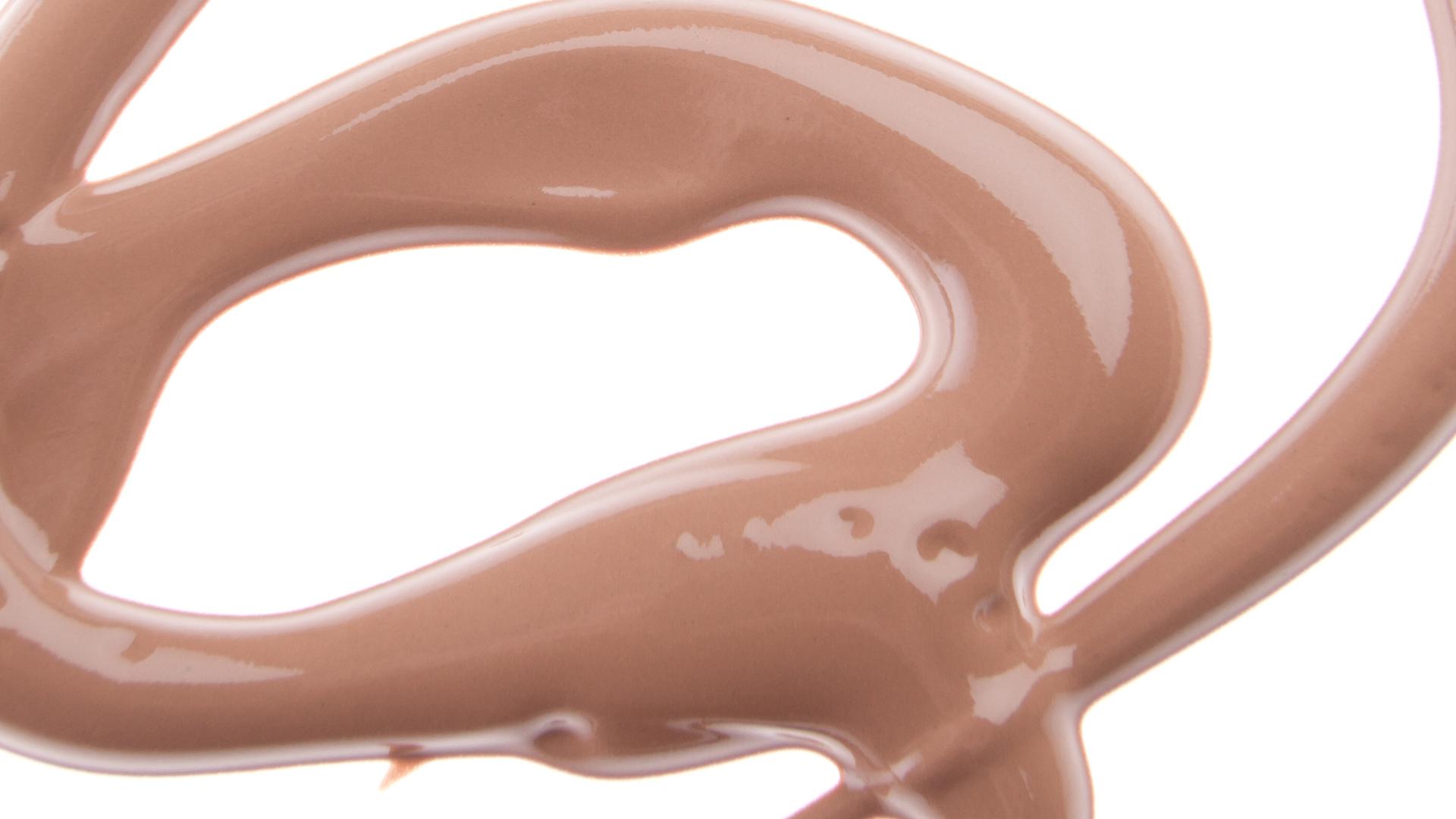
Online shade finders, including the ones run by big houses such as L’Oréal Paris, are useful for narrowing a range of forty shades down to three or four candidates. They are much less useful as a final answer, because they are reading the same unreliable data you are: a photograph taken by an uncalibrated camera under whatever light you happened to be standing in.
The ones that ask you questions rather than reading a photo tend to serve people better, because “does gold or silver suit you” is a more stable input than a selfie. Treat any of them as a shortlist generator. The decision still happens on your jawline.
Testing it properly when the parcel arrives
Swatch on the jawline, not the wrist or the back of the hand. The skin on your hand is frequently a different depth and tone from your face, which is how the classic mismatch happens in shop lighting.
Put a stripe of two or three candidate shades along the jaw so they run down onto the neck, then walk to a window. Daylight is the only honest referee here. The correct shade is the one that disappears rather than the one that looks nicest, and then you wait: give it a full hour before deciding, so any oxidation has happened while you are still watching.
One extra check if your face and neck differ in tone, which is extremely common on anyone who has ever had pigmentation changes. Match to the neck rather than the cheek, since that is the join people actually see. If uneven tone across the face is the underlying issue, my notes on how skin pigmentation behaves are worth a read alongside this.
When the shade is close but not quite right
- Slightly too light: warm it with a small amount of liquid bronzer or a deeper foundation you already own, mixed on the back of the hand rather than on the face.
- Slightly too dark: harder to rescue. Sheer it out with moisturiser and accept lighter coverage, or keep it for summer.
- Right depth, wrong undertone: the one worth returning. Correcting an undertone mismatch with other products rarely looks natural in daylight.
- Fine on the face, obvious on the neck: take the product further down than feels necessary and blend past the jaw. Half of all foundation complaints I hear are actually blending complaints.
Straight answers to the questions I get most
Should I match to my face or my neck?
Your neck, or the line where the two meet. Matching only to the cheek is what produces the mask effect in photographs, because the camera sees the join even when a mirror at arm’s length does not.
Does my shade change through the year?
For most people, yes, by roughly half a shade to a full shade between winter and late summer. Owning two shades and mixing them is more economical than replacing your foundation twice a year.
Can I return foundation in the UK if the shade is wrong?
It depends on the retailer. Online purchases usually carry a 14 day right to cancel, but goods sealed for hygiene reasons lose that right once the seal is broken, and cosmetics normally fall into that category. Plenty of beauty retailers offer a more generous shade-match guarantee voluntarily, so check the specific policy before ordering rather than after.
Is a foundation with SPF enough sun protection?
No. Nobody applies foundation thickly enough to reach the level of protection printed on the bottle, so treat any SPF in a base as a bonus on top of a proper sunscreen underneath.
What is your worst online shade disaster?
Mine was a longwear formula that oxidised so far it went orange by lunchtime. Share yours in the comments, they make the rest of us feel better.