
Most of the homemade face masks doing the rounds are harmless and quite pleasant. Two of the most popular ones can leave a mark on your face that lasts weeks, and they are the ones I keep having to talk people out of the night before a shoot.
In Short
- Honey is a humectant with genuine antimicrobial activity, which is why it earns its place
- Colloidal oatmeal is the best-evidenced calming ingredient in the average kitchen
- Neat lemon juice sits at around pH 2 and can trigger a phototoxic burn in sunlight
- One mask a week is plenty, and every new recipe gets a patch test first
The three kitchen ingredients that actually have evidence behind them
Three ingredients survive scrutiny, and they happen to be the cheapest. Honey holds water in the skin and carries real antimicrobial activity, through hydrogen peroxide release in most honeys and through methylglyoxal in manuka, a property reviewed at length in the cosmetic dermatology literature. Colloidal oatmeal, which is simply oats milled fine enough to disperse in water, contains avenanthramides with documented anti-inflammatory activity and is used in over-the-counter creams for eczema. Aloe vera gel is a light hydrator that most irritated skin tolerates well.
Everything else in the average recipe is texture and optimism. That is not a criticism. Ten quiet minutes with something cool on your face has its own value, and I say that as someone who spends her working life applying products that do measurable things.
Four masks, matched to what your skin is actually doing
Dry skin: honey and yogurt
Two tablespoons of yogurt to one tablespoon of honey, mixed to a smooth paste, 15 to 20 minutes, rinsed with lukewarm water. The honey pulls moisture in and the lactic acid in yogurt gives a very mild exfoliation, which is about as gentle as an acid ever gets. This is the one I make most often in February, when Liverpool weather and central heating have done their worst.
Sensitive skin: aloe vera and green tea
Two tablespoons of aloe vera gel with one tablespoon of brewed green tea, fully cooled. Fifteen minutes is enough. There is nothing in it to sting, which is the entire point, and the cooled tea makes it feel like a cold compress on a flushed face.
Acne-prone skin: oatmeal and honey
Two tablespoons of finely ground oatmeal, one tablespoon of honey, a few drops of warm water if it will not spread. Grind the oats properly, because coarse flakes scratch rather than soothe. This one calms redness around breakouts. It does not treat acne, and if you have painful cystic spots or scarring, a pharmacist or GP will do more for you in ten minutes than any bowl of porridge.
Dull skin: turmeric and yogurt
A teaspoon of turmeric powder to two tablespoons of yogurt, 10 minutes maximum. Turmeric stains, so use an old towel, keep it away from a fresh manicure, and do not try it for the first time on the morning of an event. On paler skin it can leave a faint yellow cast for a few hours.
The two things I would never put on a face
Neat lemon juice is the first, and it is everywhere in brightening recipes. It sits at roughly pH 2 to 3 against skin that is naturally around pH 5, and citrus peel contains furocoumarins that react with sunlight, a phototoxic reaction dermatologists see often enough to have a name for it, phytophotodermatitis. The mark it leaves can take weeks to fade and occasionally longer. If you want the brightening effect of vitamin C, buy a formulated vitamin C product where the pH has been thought about.
Bicarbonate of soda is the second, for the opposite reason: it is strongly alkaline and strips the acid mantle you spend the rest of your routine protecting. Undiluted essential oils belong in the same bin, and I have set out the safe dilutions in my piece on using essential oils on skin without burning yourself, because tea tree and citrus oils are where most home-blending goes wrong.
Patch testing, and how often to do this
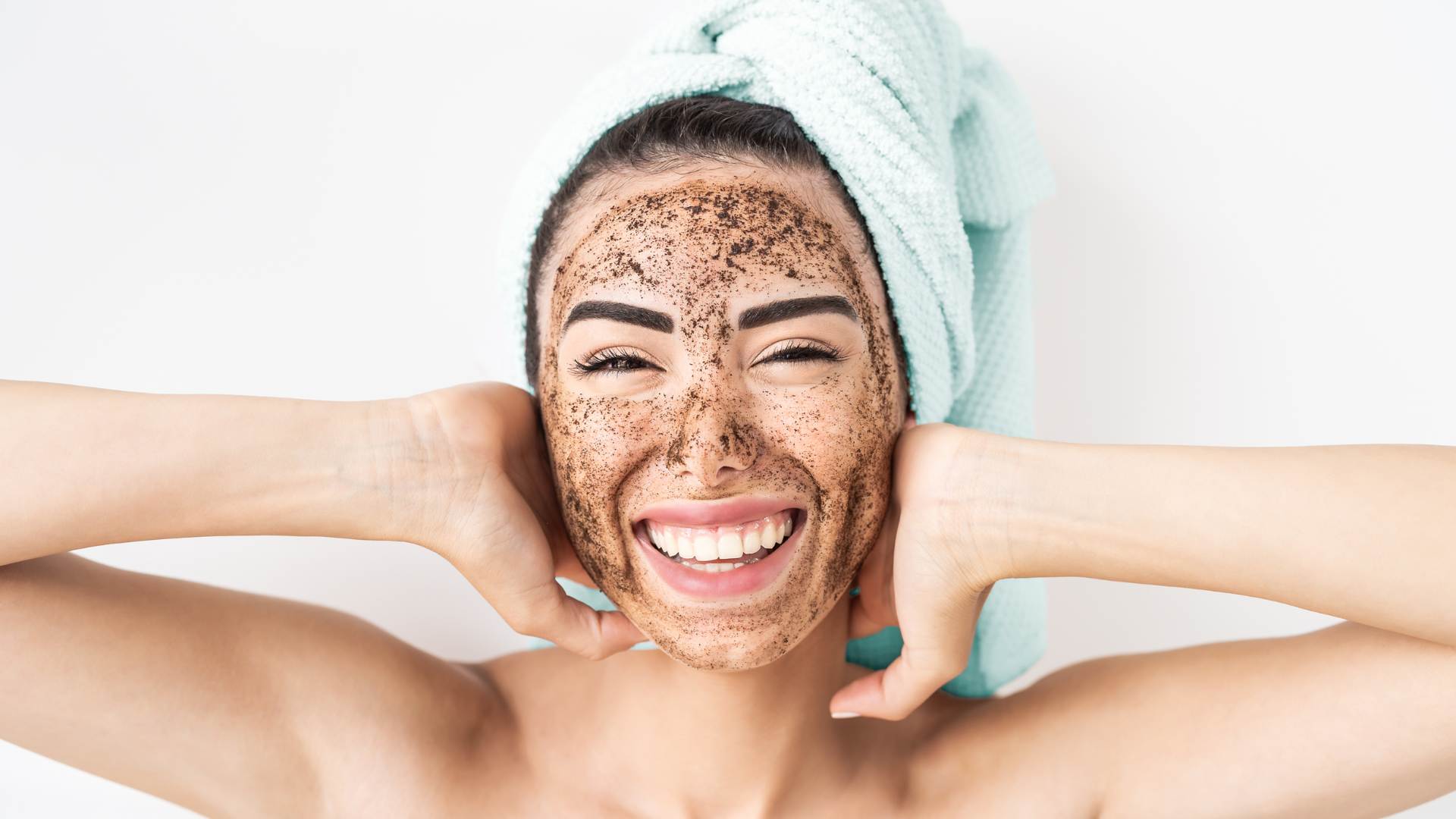
Test every new recipe on the inner forearm for two days before it touches your face. Food allergies transfer to skin, so if you cannot eat almonds, do not blend them into a mask, and remember that a reaction can appear a day after contact rather than immediately.
- Start with clean, dry skin, so the mask is not sitting on makeup.
- Set a timer. Longer is not better, and a drying mask left until it cracks pulls moisture back out.
- Rinse with lukewarm water, pat dry, and follow with your usual moisturiser while the skin is still slightly damp.
- Once a week is plenty for hydrating masks. Anything exfoliating, less often.
- Make it fresh and bin the leftovers. There is no preservative in a bowl of yogurt.
Quick answers before you start mixing
Are homemade masks better than shop-bought ones?
They are cheaper and you control what goes in, which suits people who react to fragrance. They are not more effective, because a formulated mask has stable actives, a tested pH and a preservative system, none of which a kitchen bowl has.
Which ingredients suit dry skin best?
Honey, yogurt and mashed avocado. Honey holds water in the upper layers, yogurt adds a mild lactic acid exfoliation, and avocado brings fats that make the skin feel less tight afterwards. Seal it in with a moisturiser rather than leaving the skin bare.
Can a DIY mask clear up acne?
No. A soothing mask can take the angry look off the skin around a breakout, which is worth having, but acne is driven by oil production, bacteria and inflammation inside the follicle. Persistent or painful acne is a conversation for a pharmacist or your GP, and treatable.
What about lemon or papaya for brightening?
Skip the lemon entirely for the phototoxicity reason above. Papaya is gentler, though the enzyme content varies wildly between fruits, so results are unpredictable. For uneven tone, a formulated vitamin C serum and daily SPF do far more than anything from the fruit bowl.
This is general information from my work as a makeup artist, not medical advice. If your skin is broken, inflamed, or you are treating a diagnosed condition, ask a pharmacist or your GP before putting food on your face.
Sources: Burlando & Cornara, Honey in dermatology and skin care, Journal of Cosmetic Dermatology, 2013; reviews of colloidal oatmeal in atopic dermatitis, Journal of Drugs in Dermatology; NHS guidance on sun safety and skin reactions.
What is in your fridge-door recipe?
I collect these. Leave yours in the comments, tell me what skin type it suits, and I will try the ones that sound sane.